I didn’t plan it, really.
Shifting Courts started as something spontaneous.
Back in 2017, I spent a year and a half backpacking across Southeast Asia. It was a deeply personal journey — a way to immerse myself fully in local life.
When I thought about going back to Indonesia, it wasn’t just to travel.
I needed a project.
Something personal to carry with me.
A lens through which I could reconnect with the places — and the feelings — that trip had given me.
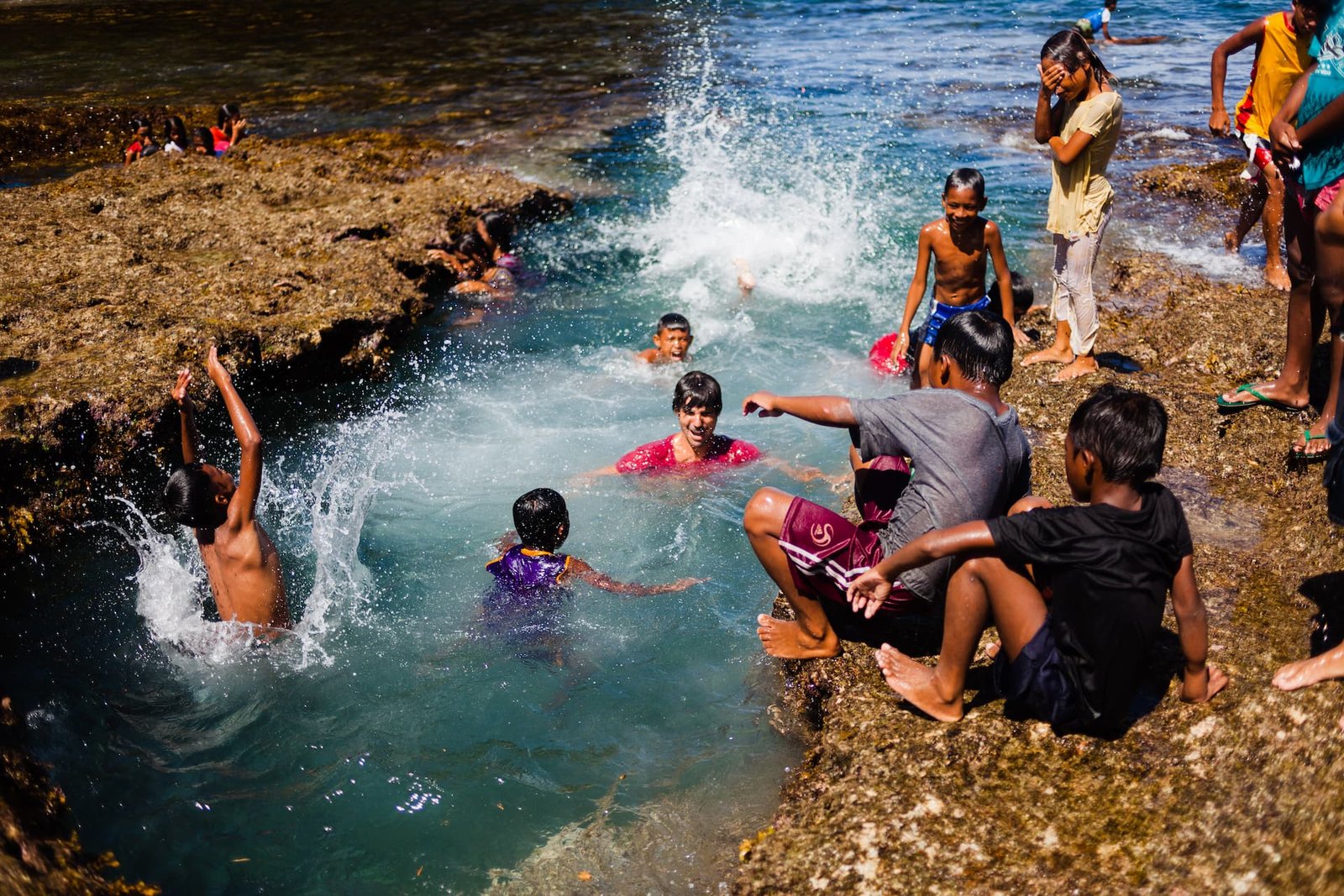
Philippines, 2017. When I started my long-term journey back in 2017, I made a conscious choice: local immersion had to be the core of the experience. I wasn’t interested in just passing through; I wanted to belong. Looking back, these moments were the foundation of my storytelling. It’s about finding the rhythm of a place through its people, a philosophy that continues to guide my work today.
After years working in audiovisual production, I felt the need to try something different.
Something shorter.
More artistic.
More open.
My previous projects were often full of content — maybe too full.
And with Shifting Courts, I wanted the opposite.
I wanted it to breathe.
To move slowly.
To give space.
To let people immerse themselves, reflect, and feel.
Everything around us moves fast now.
Social media.
Fast edits.
Constant stimulation.
There’s this pressure to impress instantly — to create a “wow” in every frame.
I wanted to go the other way.
I wanted pause.
Before going to Indonesia, I did my research.
But the real discovery happened there.
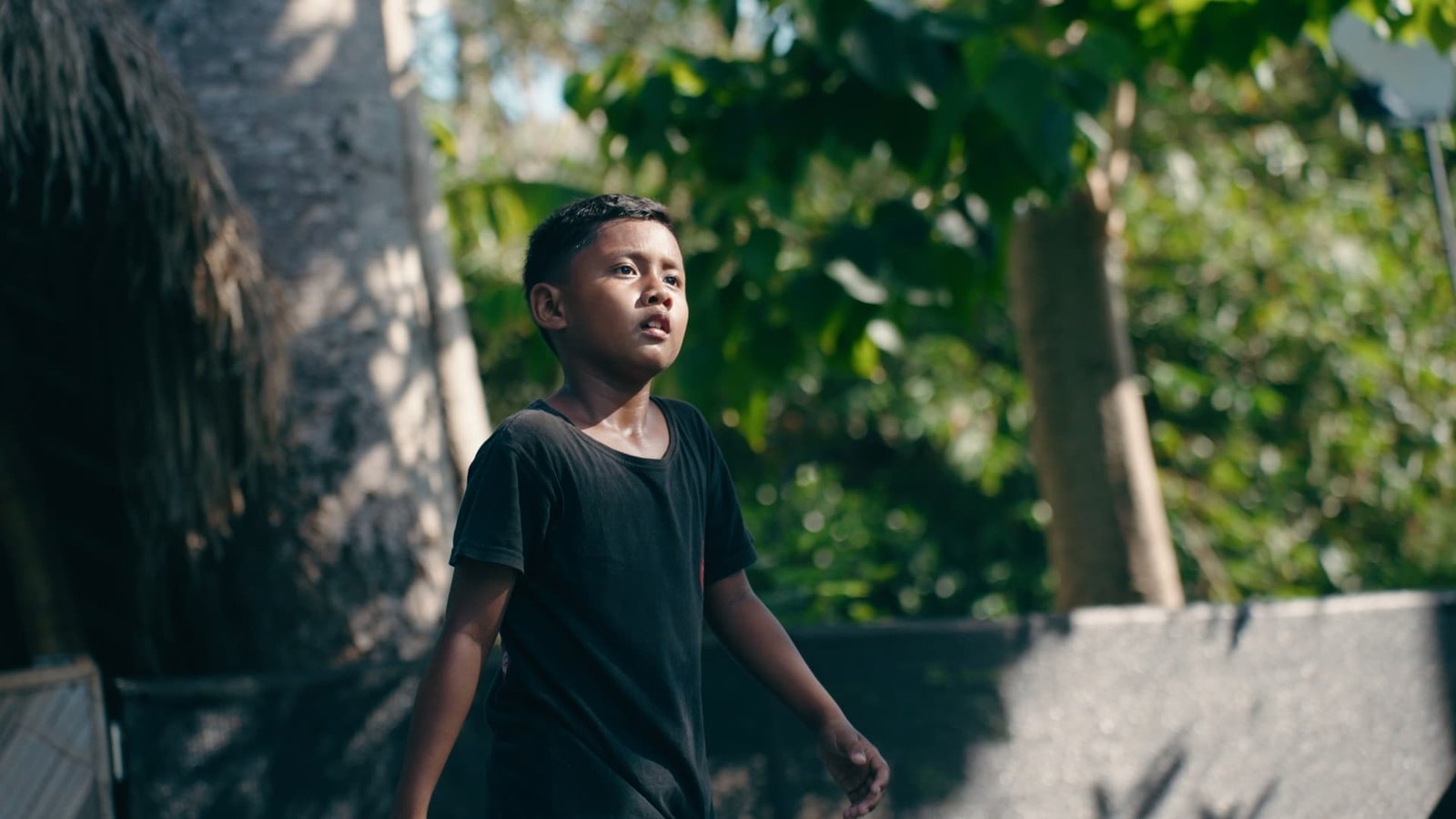
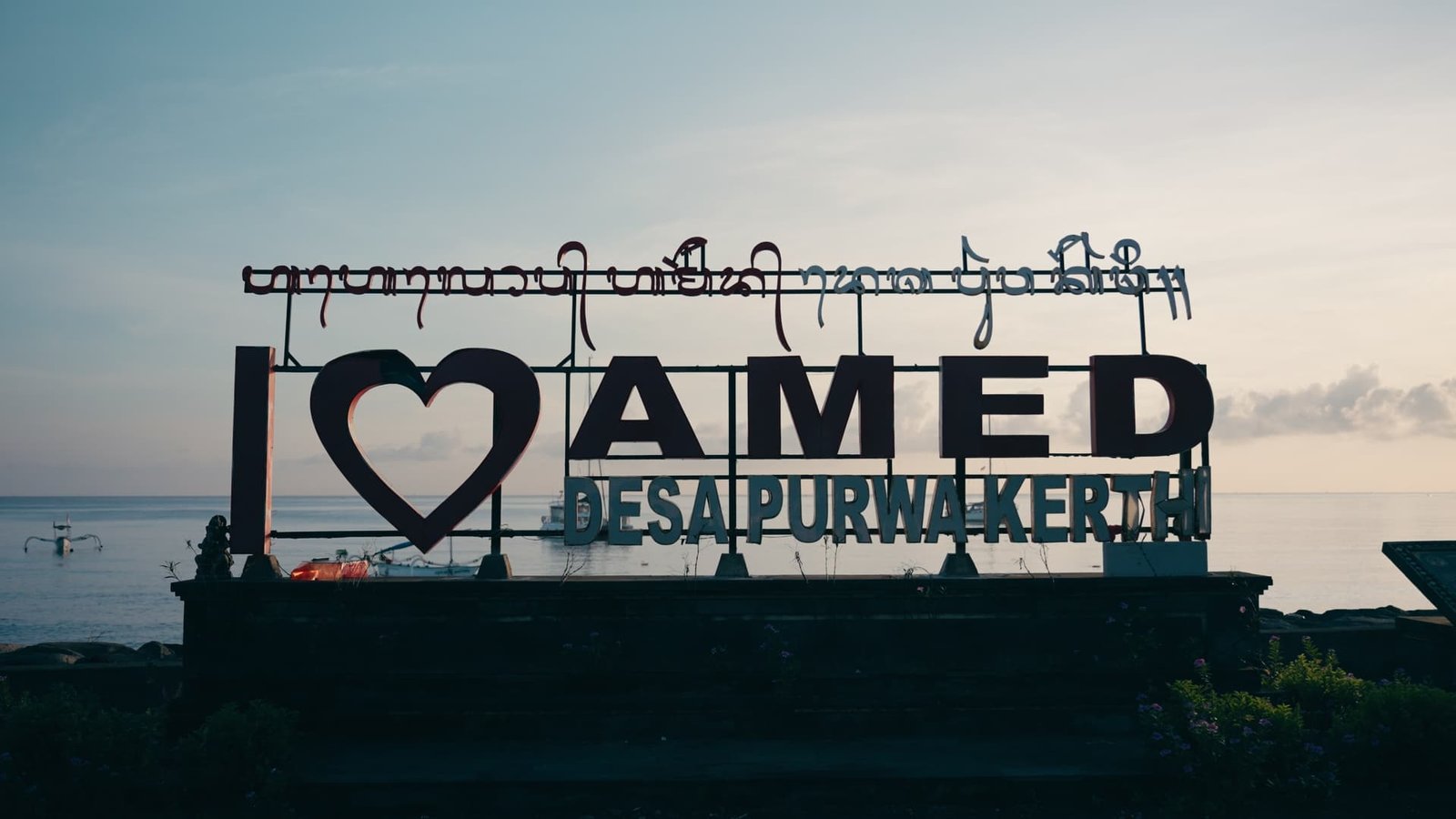
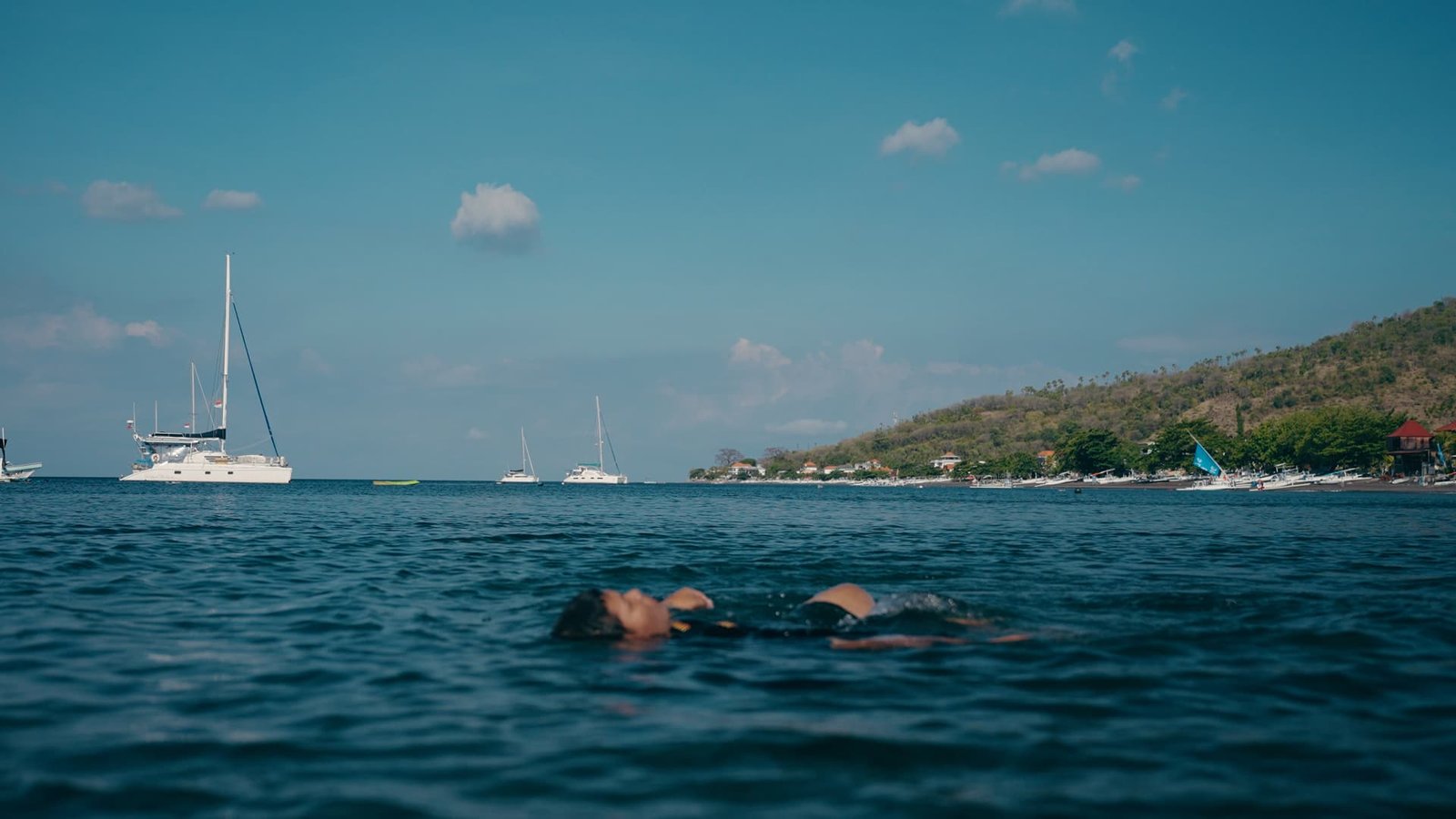
I stumbled upon a place called Amed — still untouched by the tourist boom in Bali, full of personality.
It grabbed me immediately.
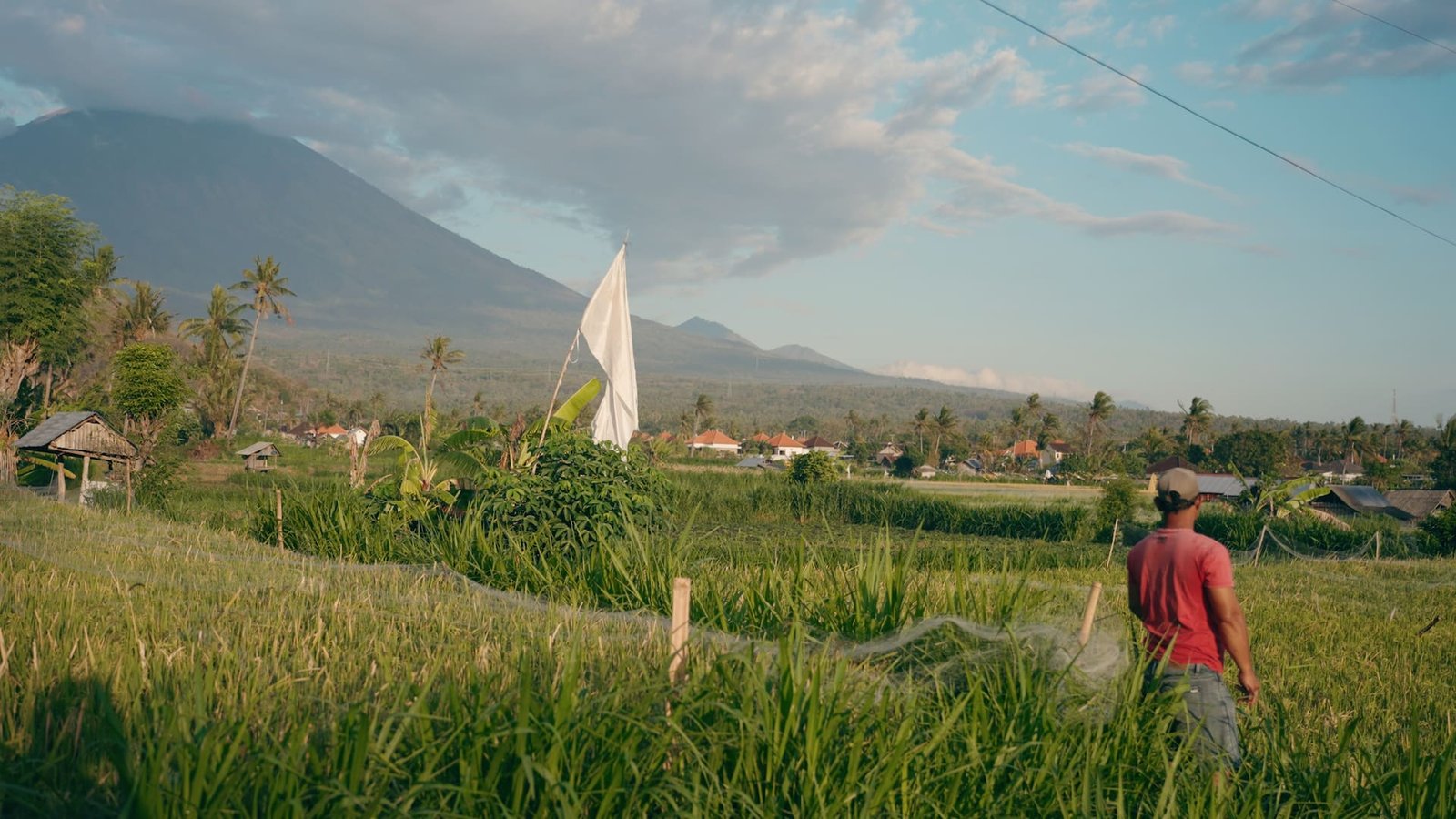
After the non-stop energy of Ubud and Canggu, heading north to Amed felt like breathing again. Because of its location, it’s often overlooked by those on short trips, which has allowed it to preserve its authentic soul. Here, you find a unique balance: a dedicated international diving community living in perfect harmony with the local charm. It’s the kind of deep immersion I first sought out in 2017—finding those quiet corners where life still moves at its own pace.
There’s a kind of freedom there.
A humanity.
Something that felt essential for the story I wanted to tell.
The first spark came from something simple:
A photo on Instagram.
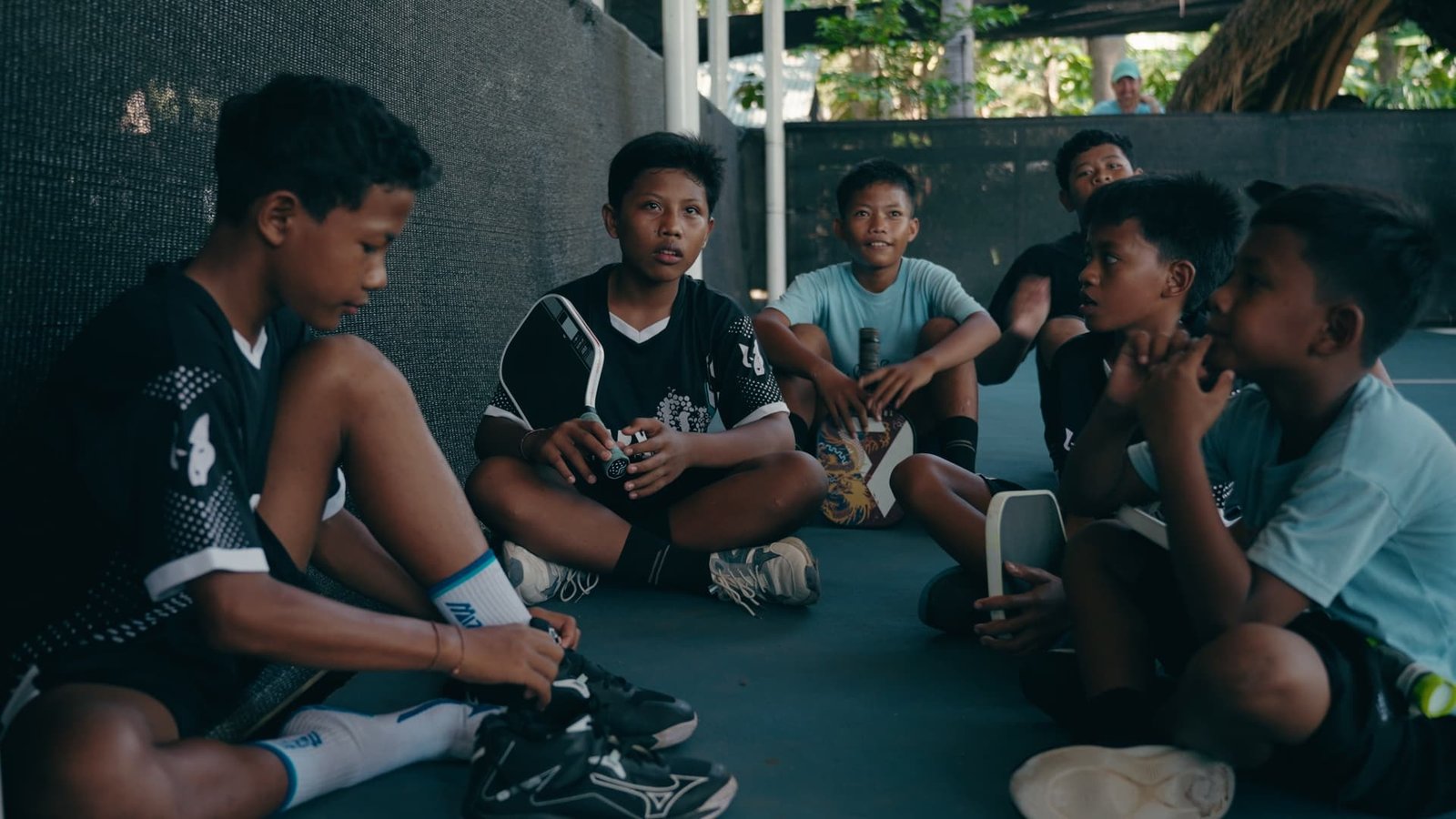
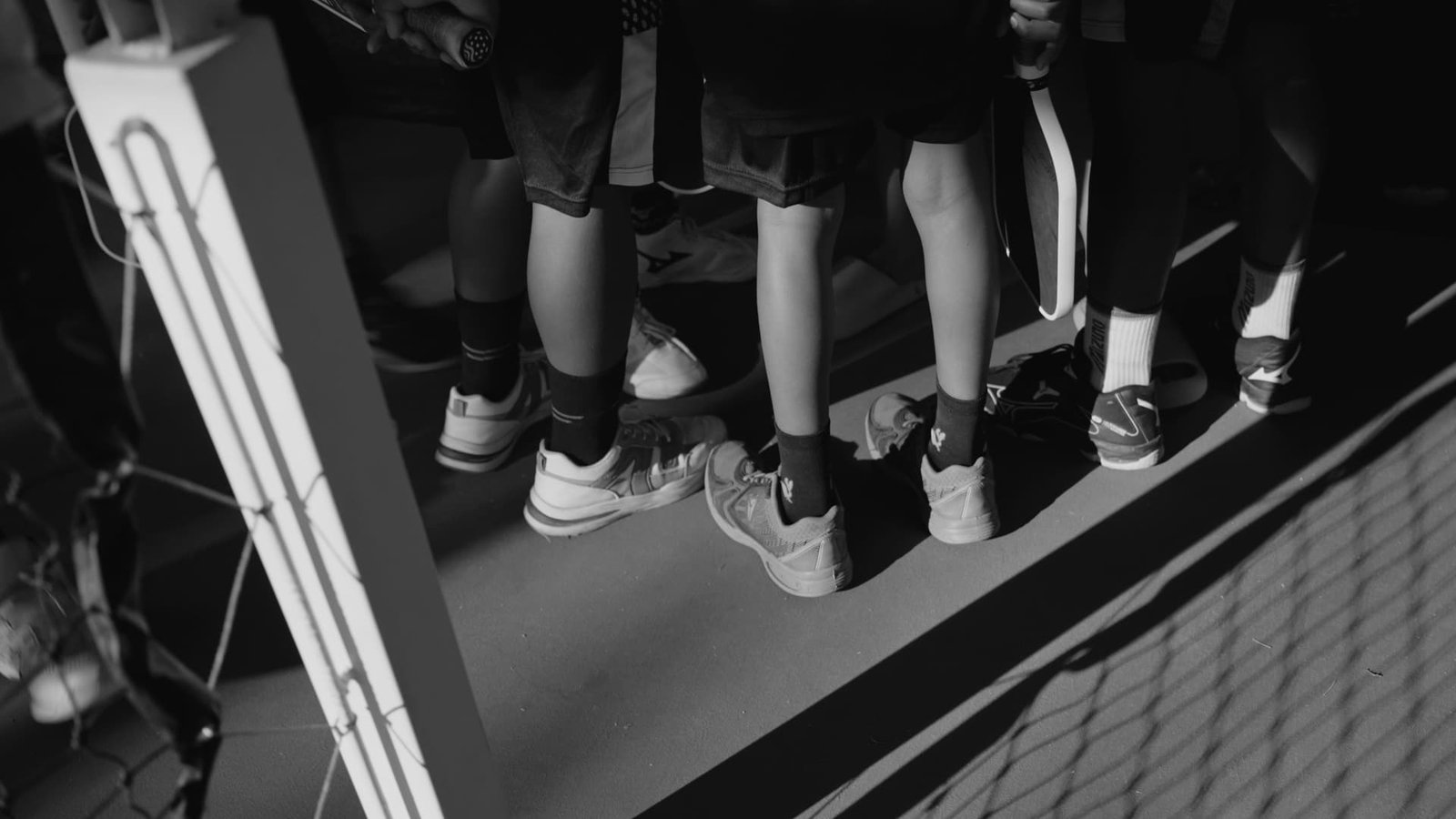
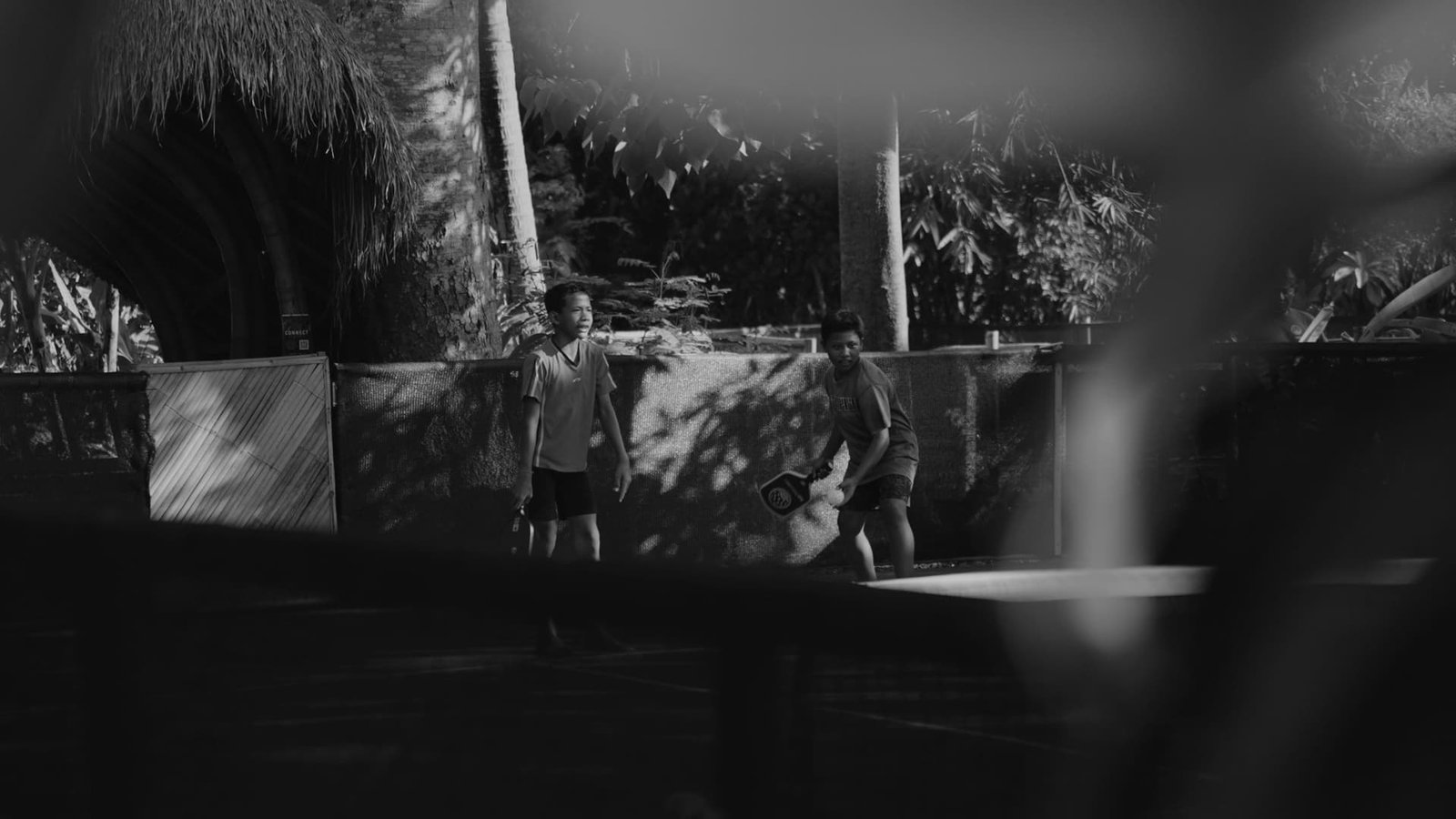
A pickleball court in the middle of the jungle.
Back home in Bilbao, I used to play pickleball, drawing courts with chalk in random places.
But this?
In the jungle?
I remember thinking:
What is this place?
It felt small, almost hidden — but alive.
I had to go.
I took local transport.
I went alone.
I explored.
Two full days just wandering.
Mapping the town.
Finding its rhythm.
Talking to people.
Trying to understand where the heart of the place really was.
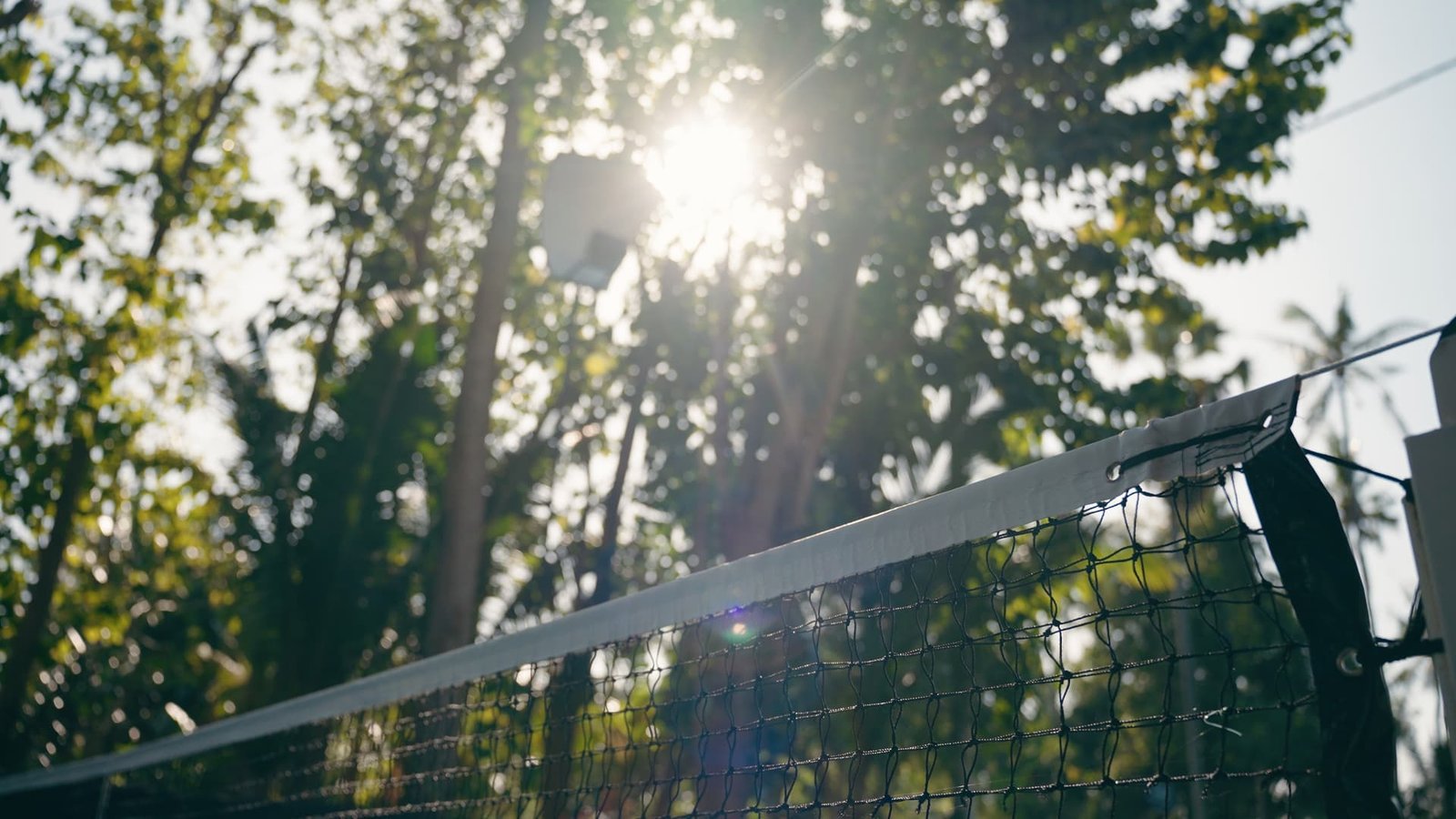
There is a deep irony in traveling halfway around the world to find something I missed from my own childhood. In the middle of the Balinese jungle, I found a makeshift court that echoed the freedom of my youth—a time when any corner of the street was a stadium.
Before shooting, I made a deliberate decision:
Zero references.
No moodboards.
No saved images.
No visual inspiration folders.
As filmmakers, our gaze is constantly shaped by everything we consume.
We end up recreating what we’ve already seen.
I didn’t want that.
I wanted the film to emerge from the experience itself.
From the dust of the court.
From the rhythm of the game.
From the light of the volcano.
So I forced myself to unlearn.
To sit.
To watch.
To wait.
And slowly, the film started to find its own voice.
Shifting Courts began as curiosity.
But it became something else.
A personal journey into slowness.
Into observation.
Into a different way of looking.
And maybe that’s what it really is:
A small attempt to resist the speed of everything around us.