There’s a very specific moment when a film stops being yours.
For me, it happened the moment I delivered the screening file.
Up until then, everything is under your control.
You adjust, refine, correct.
You make decisions.
And then, suddenly, you let go.
The film leaves your hands.
It’s a strange feeling.
On one side, there’s relief.
Reaching that point means you’ve finished something that once felt impossible.
But on the other, there’s uncertainty.
You don’t know how it will be projected.
You don’t know how it will be received.
You don’t even know if it will fully work the way you imagined it.
And in my case, there was something more.
The first screening was in New York.
And I wasn’t there.
That’s when the separation became real.
It felt a bit like watching something you care about step into the world on its own.
Like you want to protect it — but you also know you can’t.
And maybe you shouldn’t.
There’s a part of me that worries.
What if people don’t fully understand it?
What if it needs context?
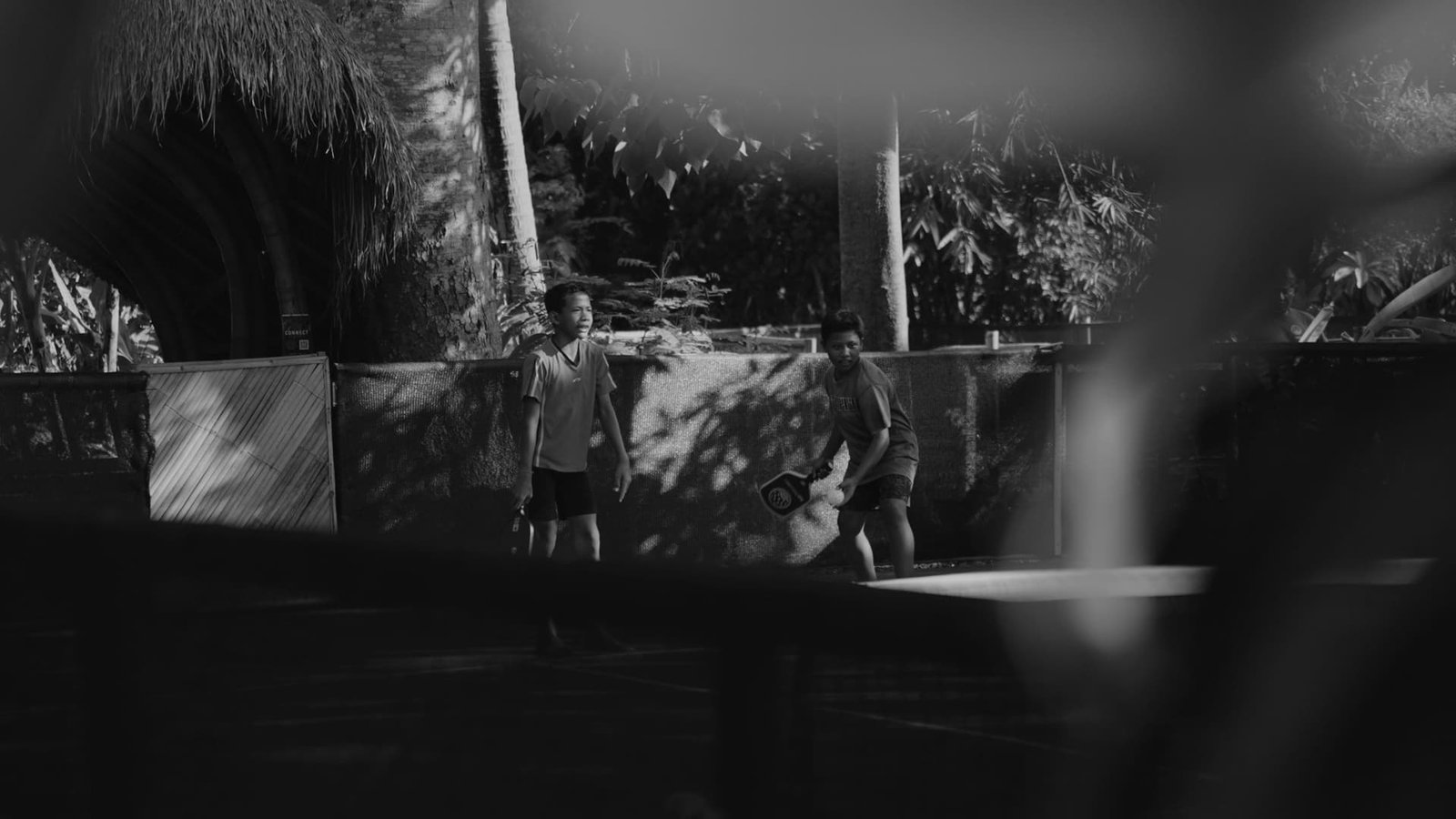
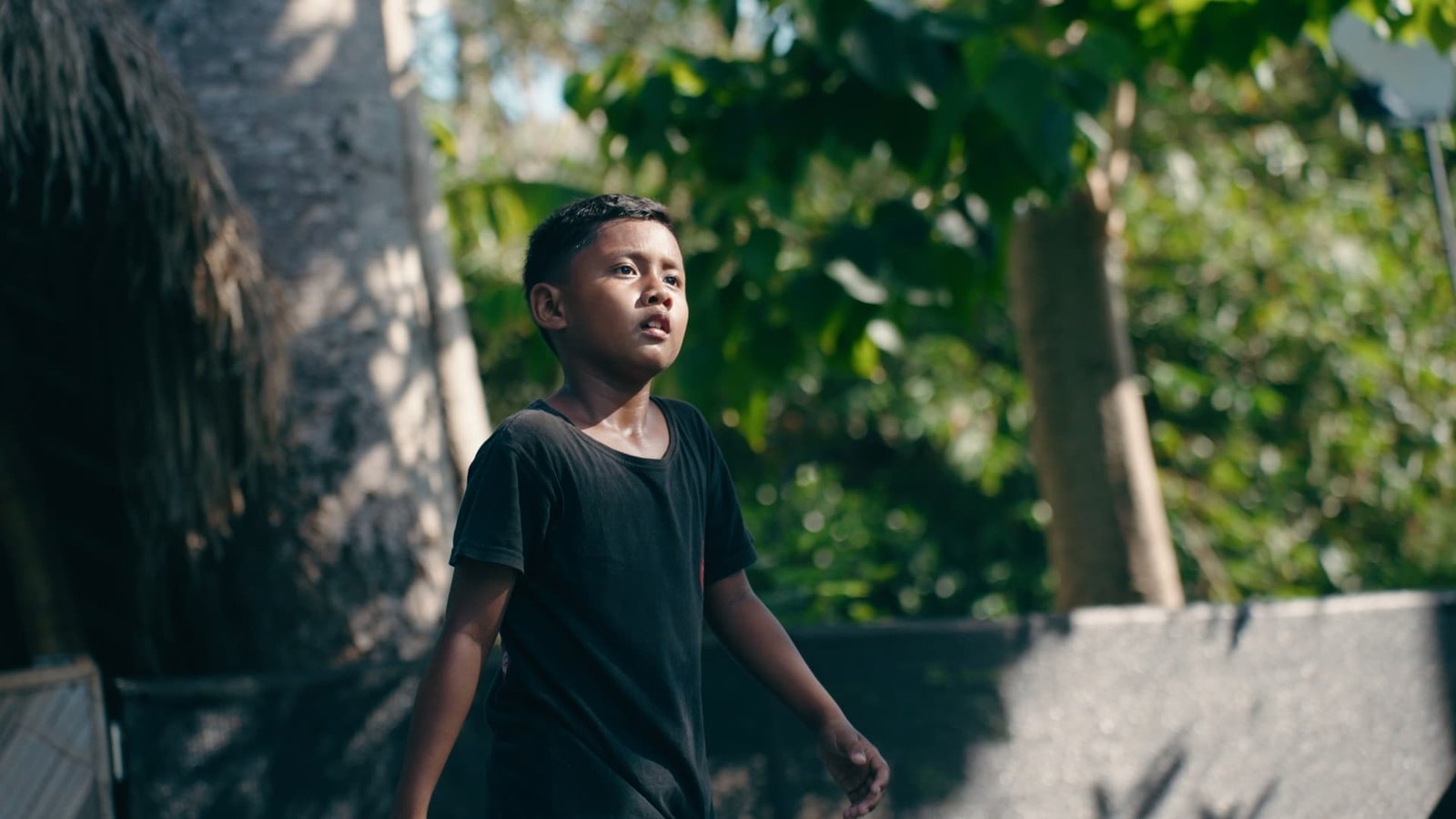
Because Shifting Courts isn’t a film that explains itself directly.
It’s not built around information.
It’s built around observation, rhythm, and feeling.
And sometimes, that kind of film asks for guidance.
But at the same time, there’s something beautiful in not being there.
In letting people experience it on their own terms.
In allowing different interpretations to emerge.
Because maybe that’s the point.
Not to deliver a message,
but to spark something.
A question.
A feeling.
A curiosity to look a bit deeper.
I often wonder how the film changes depending on who watches it.
In New York, it might feel exotic —
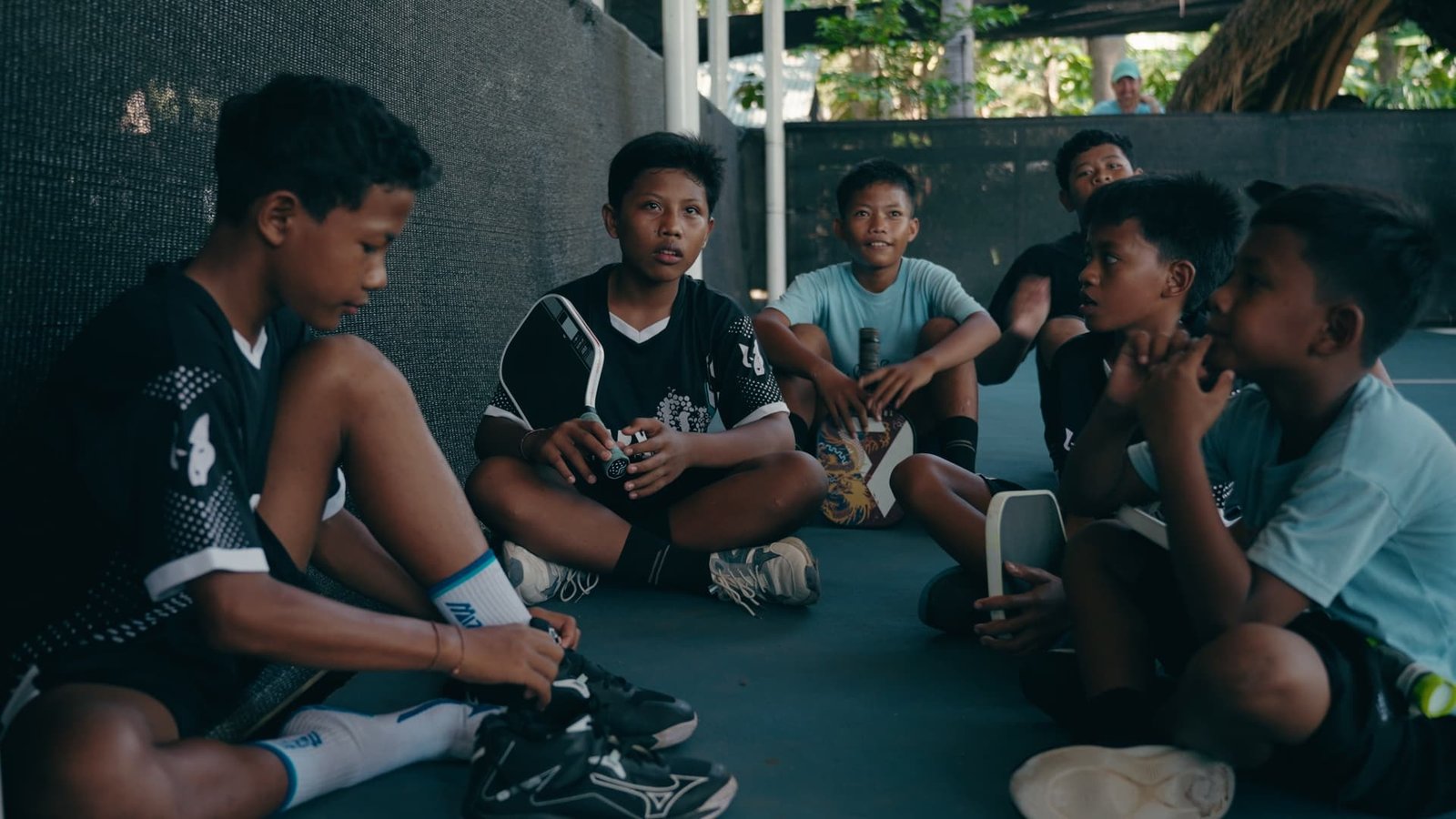
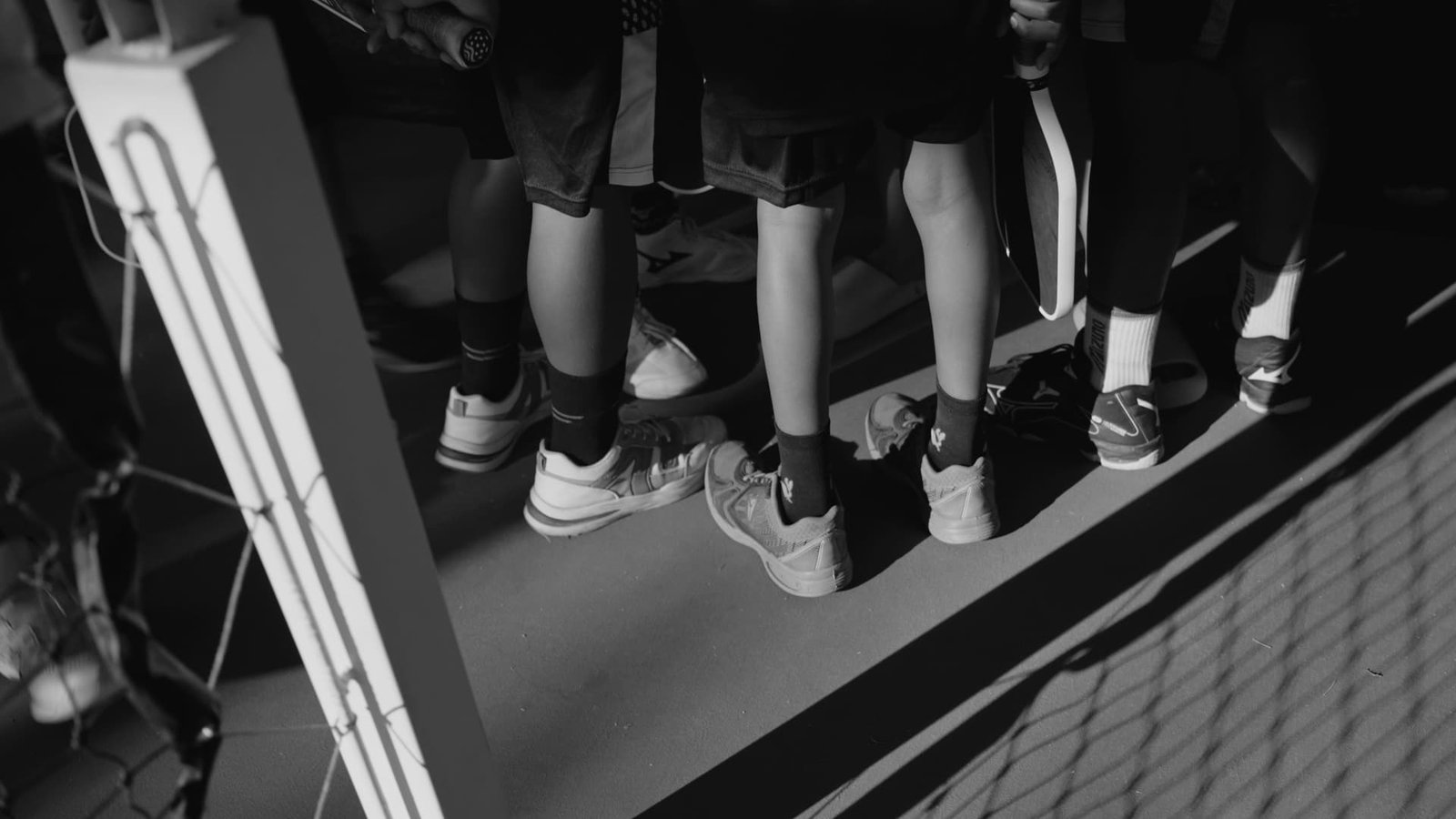
a contrast between a familiar sport and a completely different reality.
In Bali, it would probably feel much closer.
More grounded. More real.
Someone who plays sports might see one thing.
A parent might see another.
A filmmaker, something else entirely.
The film doesn’t change.
But the meaning does.
And maybe that’s when it truly starts to live.
My relationship with the film is changing too.
It’s slowly becoming something I made in the past.
But at the same time, it’s something I still have to take care of.
Because films don’t move on their own.
You have to carry them.
Support them.
Help them find their way.
At least at the beginning.
I wouldn’t change anything now.
At some point, you have to stop adjusting and accept the film as it is.
Trust it.
And move forward.
If anything, what has changed is me.
Making this film, and especially seeing it now in the world, has made me realize that I don’t want to do everything alone anymore.
There’s something powerful about collaboration.
About building stories with others.
About going further than what you can do by yourself.
So maybe this film is still very much about who I am.
But it’s also a step towards something else.
If I had to describe what it means to let a film go, I’d say this:
It’s relief… and uncertainty at the same time.
The journey of Shifting Courts is just beginning.
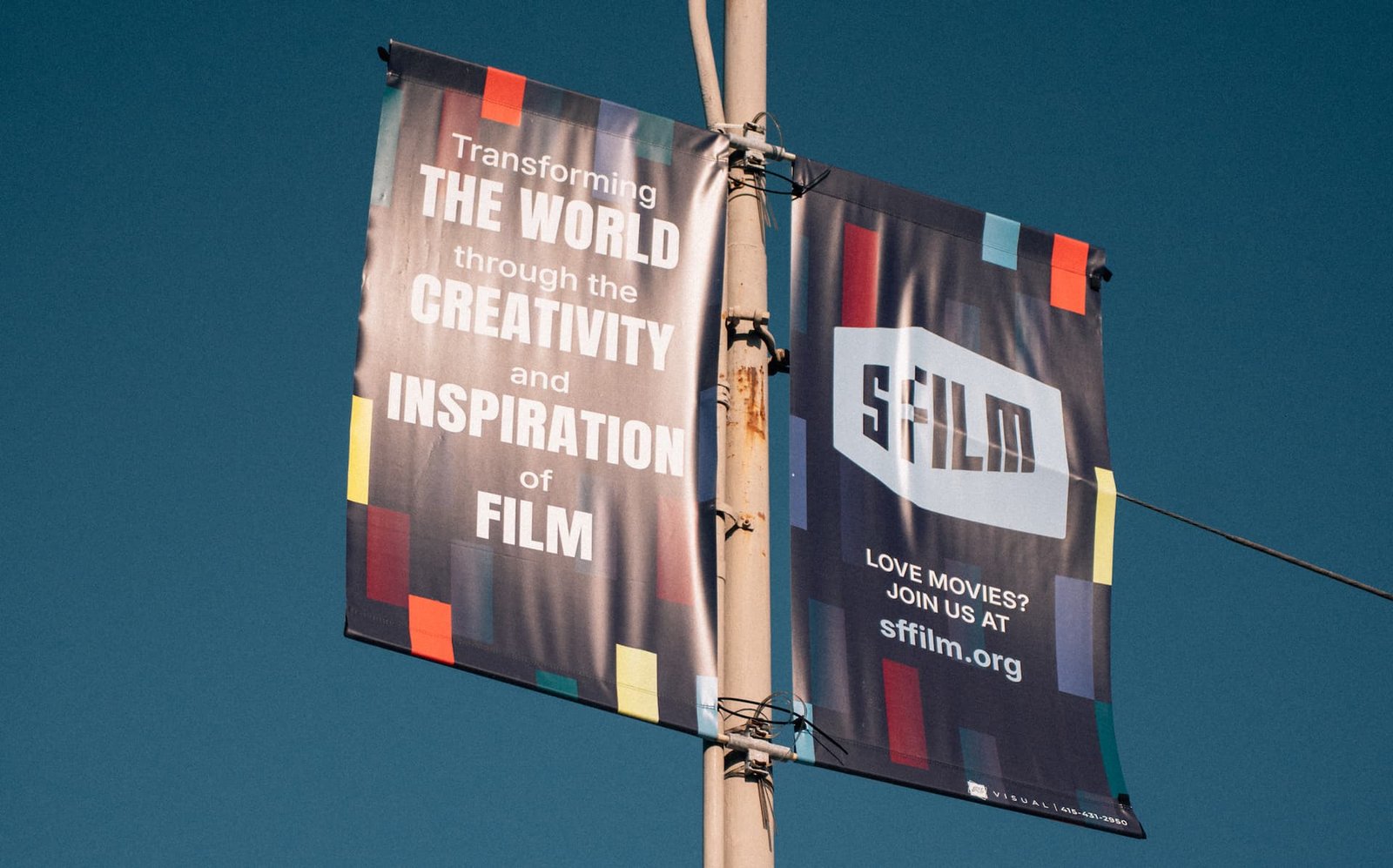
From New York to San Francisco, and hopefully beyond.
And eventually, back to Amed — where everything started.
And maybe that’s the most important thing I’ve learned:
Finishing a film is not the end.
It’s the moment when it starts traveling.
At first, you walk next to it.
You guide it. You support it.
And then, little by little…
you let it go.