We didn’t sit in a classroom.
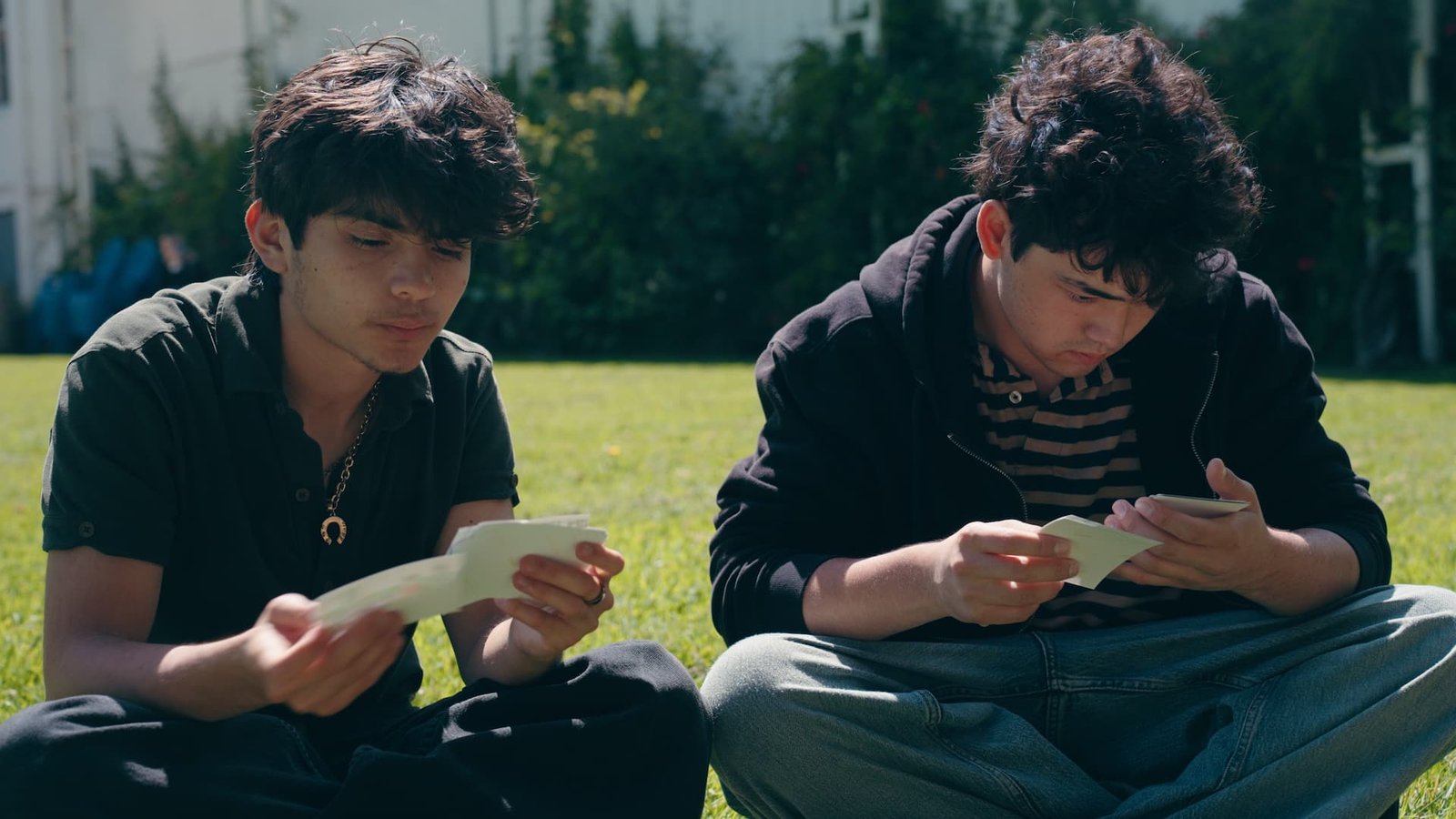
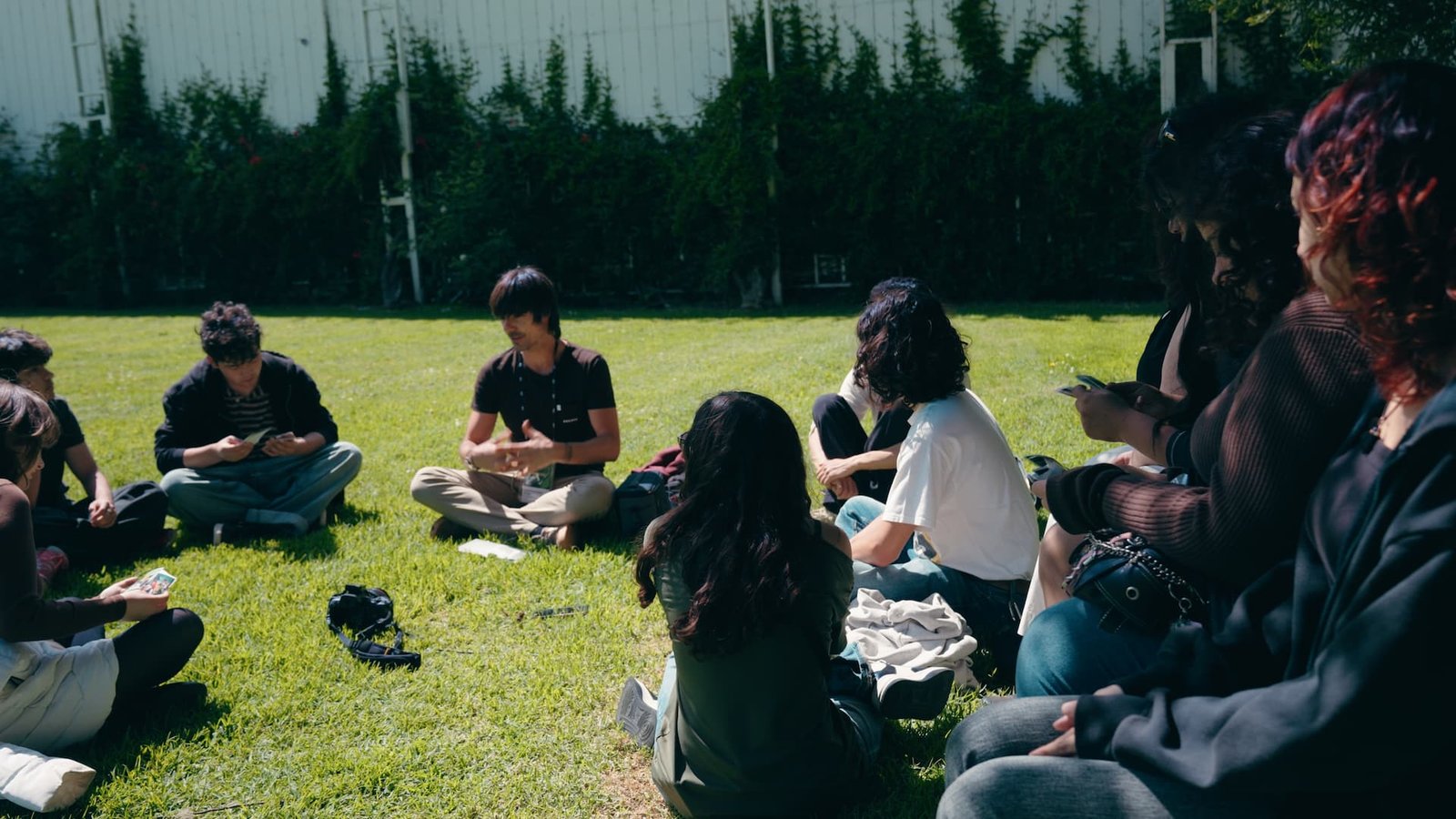
We sat on the grass.
Right next to the heart of the festival, the Filmmaker Lounge, the press area, the accreditation desks, but just far enough to step outside of all that.
Presidio has that feeling.
Open space.
Calm.
A different rhythm.
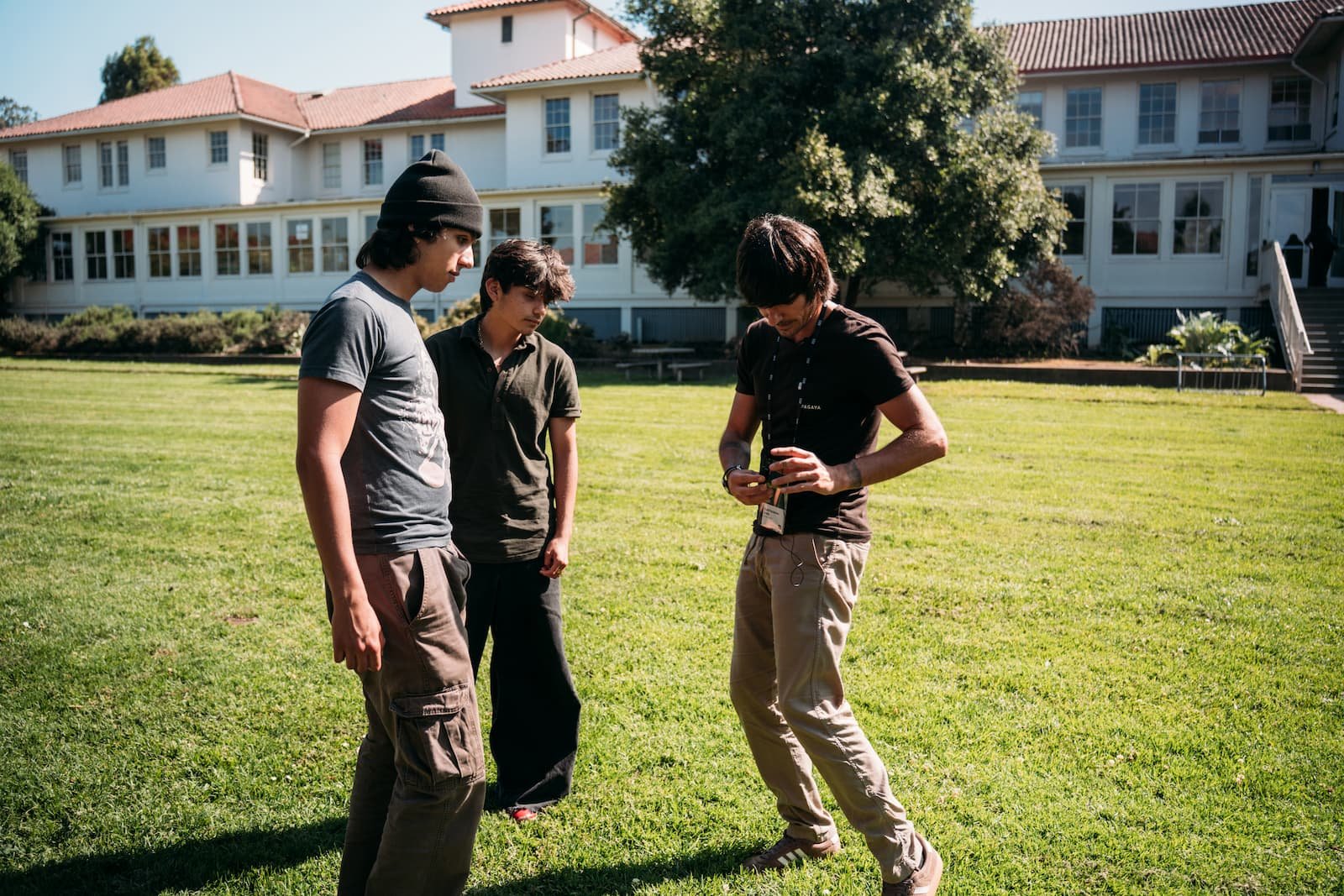
As they clipped the microphone onto my shirt, it felt strange to be on the other side. I’m usually the one asking the questions, observing quietly from behind the camera. This time, I had to step forward and let my own process be seen.
There were about twelve of them.
Film students from Los Angeles.
Seventeen, eighteen years old.
They had been attending screenings, interviewing people, working on their own documentary about the festival.
And they came with curiosity.
Real curiosity.
The setting changed everything.
No stage.
No projection.
Just a circle on the grass.
And that made it easier to be honest.
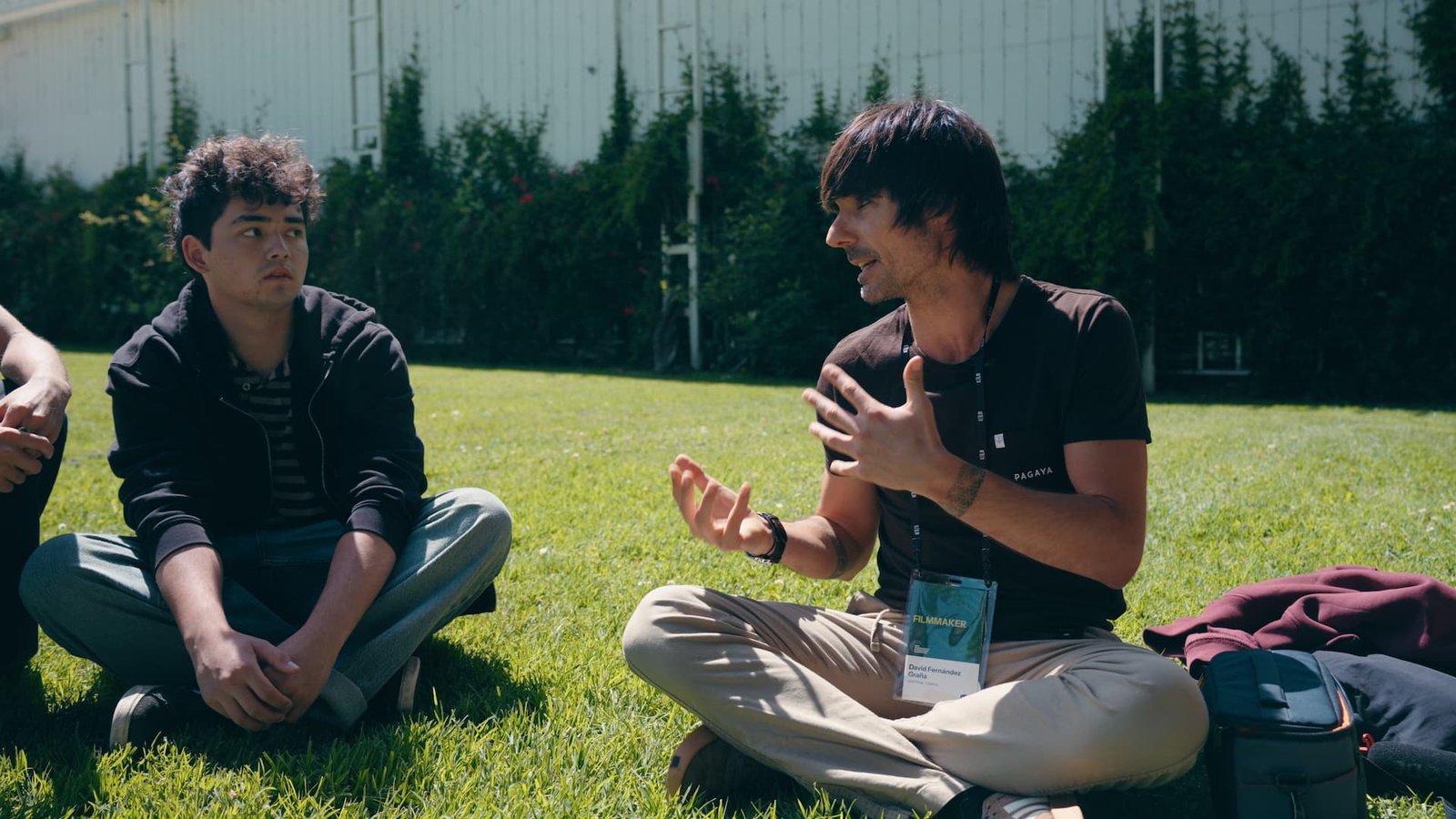
Sitting on the grass, surrounded by them, the distance disappeared. No stage, no screen, just a circle where stories moved freely from travel to filmmaking, from observation to connection, until it no longer felt like a talk, but something shared.
I didn’t approach it as a lecture.
I didn’t want to teach them filmmaking.
I wanted to share how I see.
So I started from my story.
Travel.
Immersion.
The need to connect with a place before trying to capture it.
We used photographs.
Printed images from past projects and journeys.
They could hold them.
Look at them closely.
And from there, questions started to appear.
That’s when the conversation opened.
We spoke about something simple, but not always obvious:
Don’t start with the camera.
Start with people.
About taking time.
About building trust.
About understanding what’s happening before trying to record it.
I told them how, for me, filming comes after.
After conversations.
After presence.
After connection.
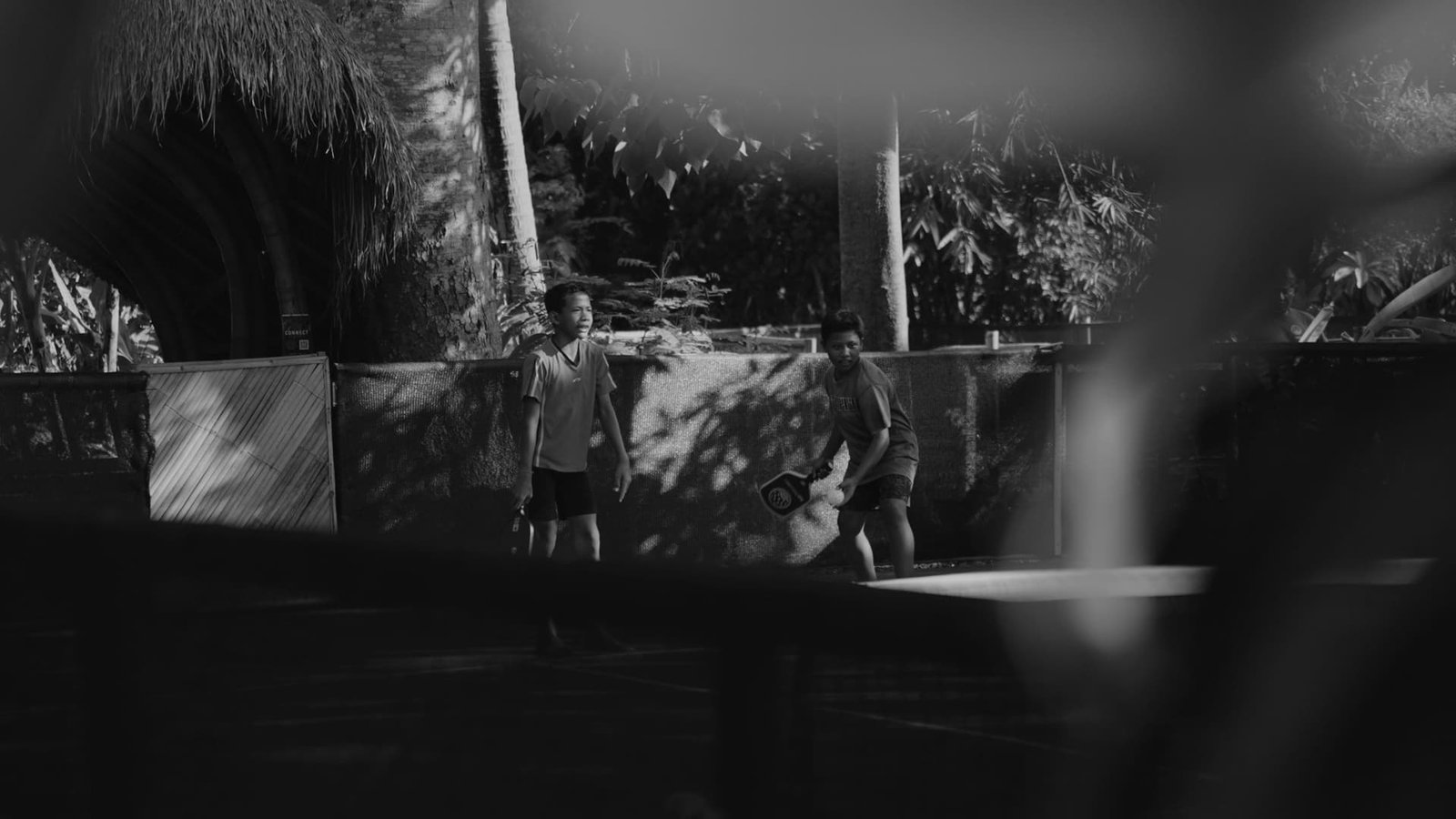
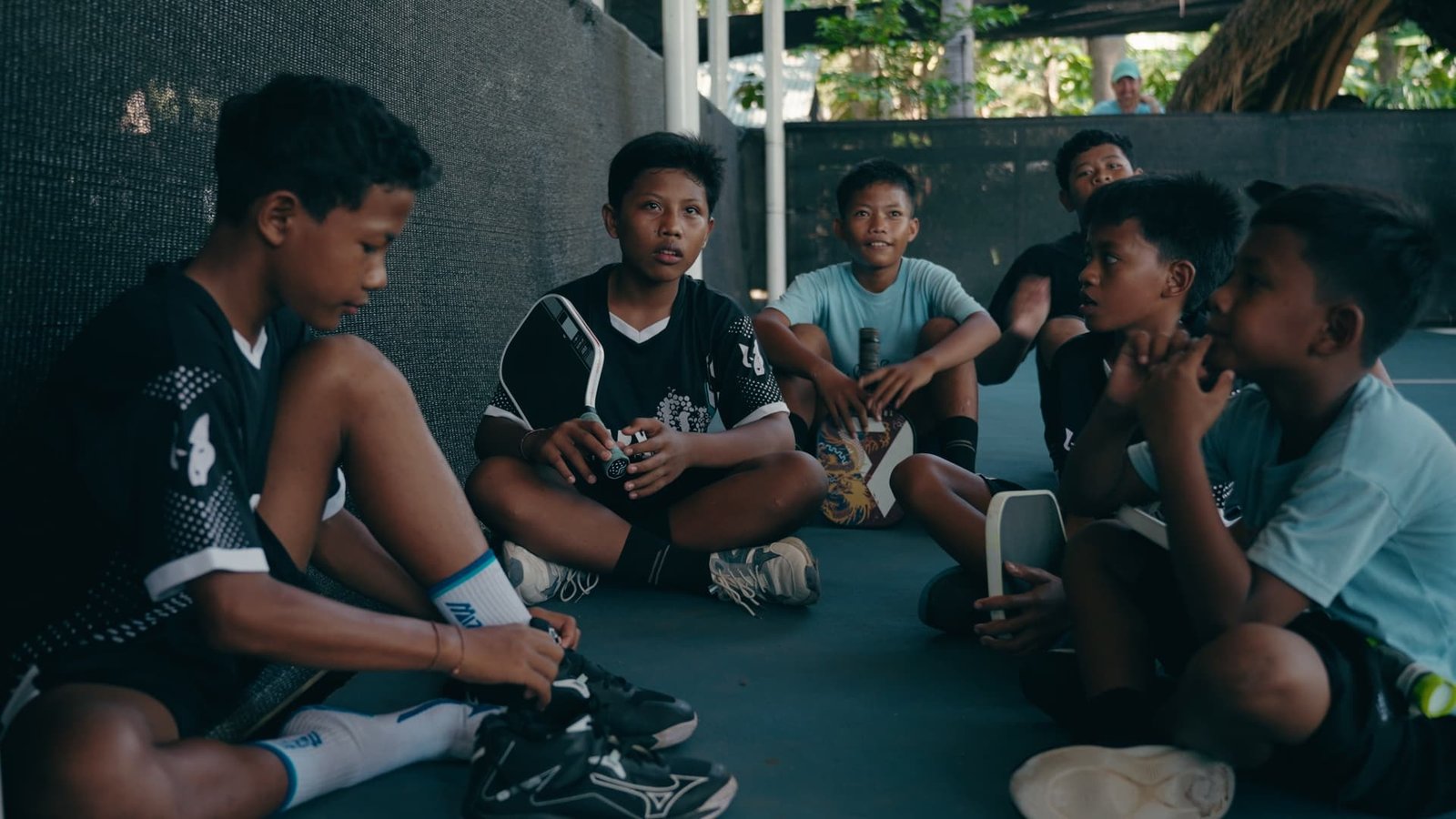
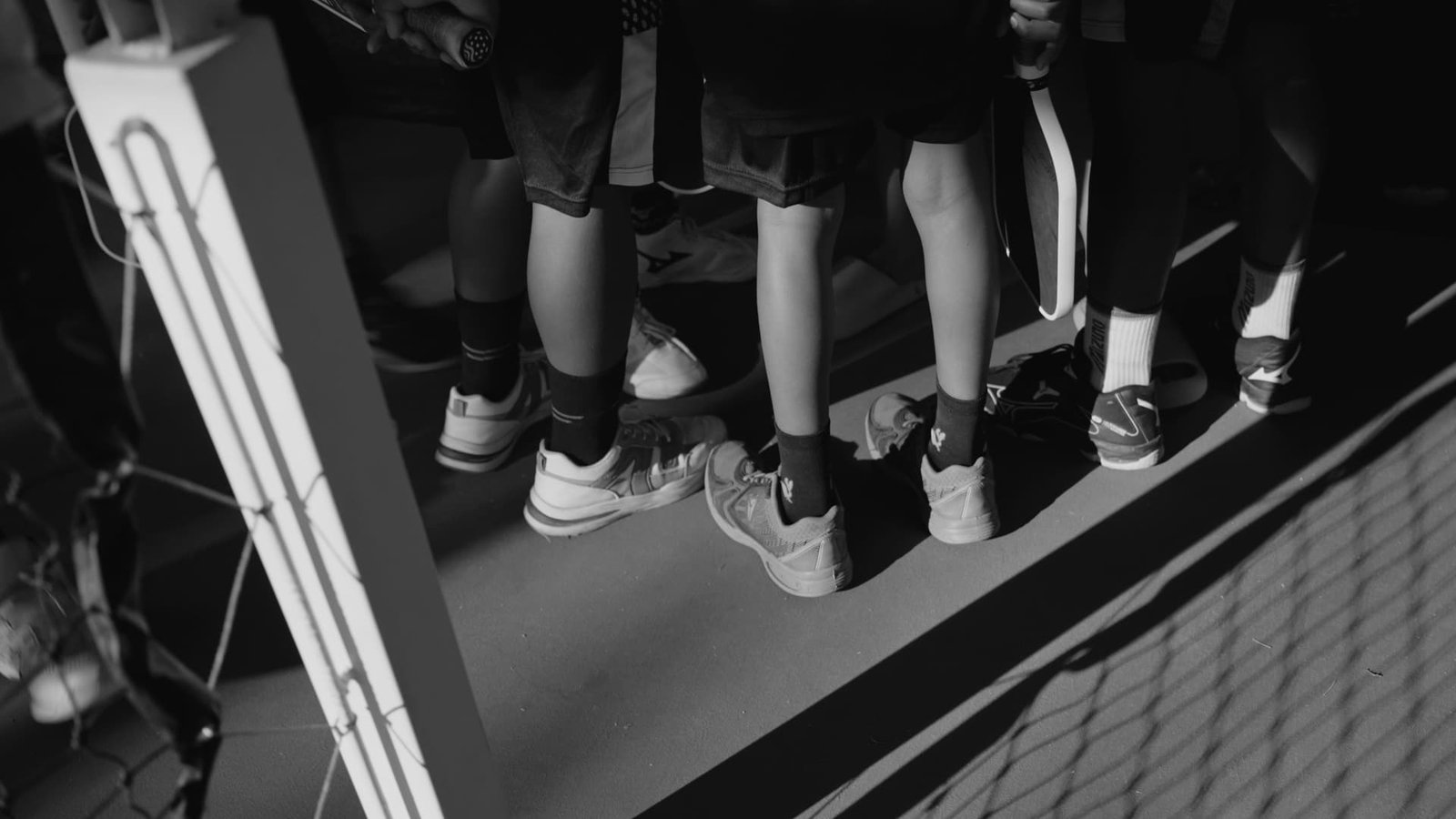
We spoke about sport.
But not as competition.
As a way to connect.
As a shared language between people who don’t speak the same words.
We spoke about travel.
About trying to move through places without taking more than you give.
About supporting local projects.
About being aware of the impact of the images we create.
Because as filmmakers, we don’t just observe.
We shape perception.
And that comes with responsibility.
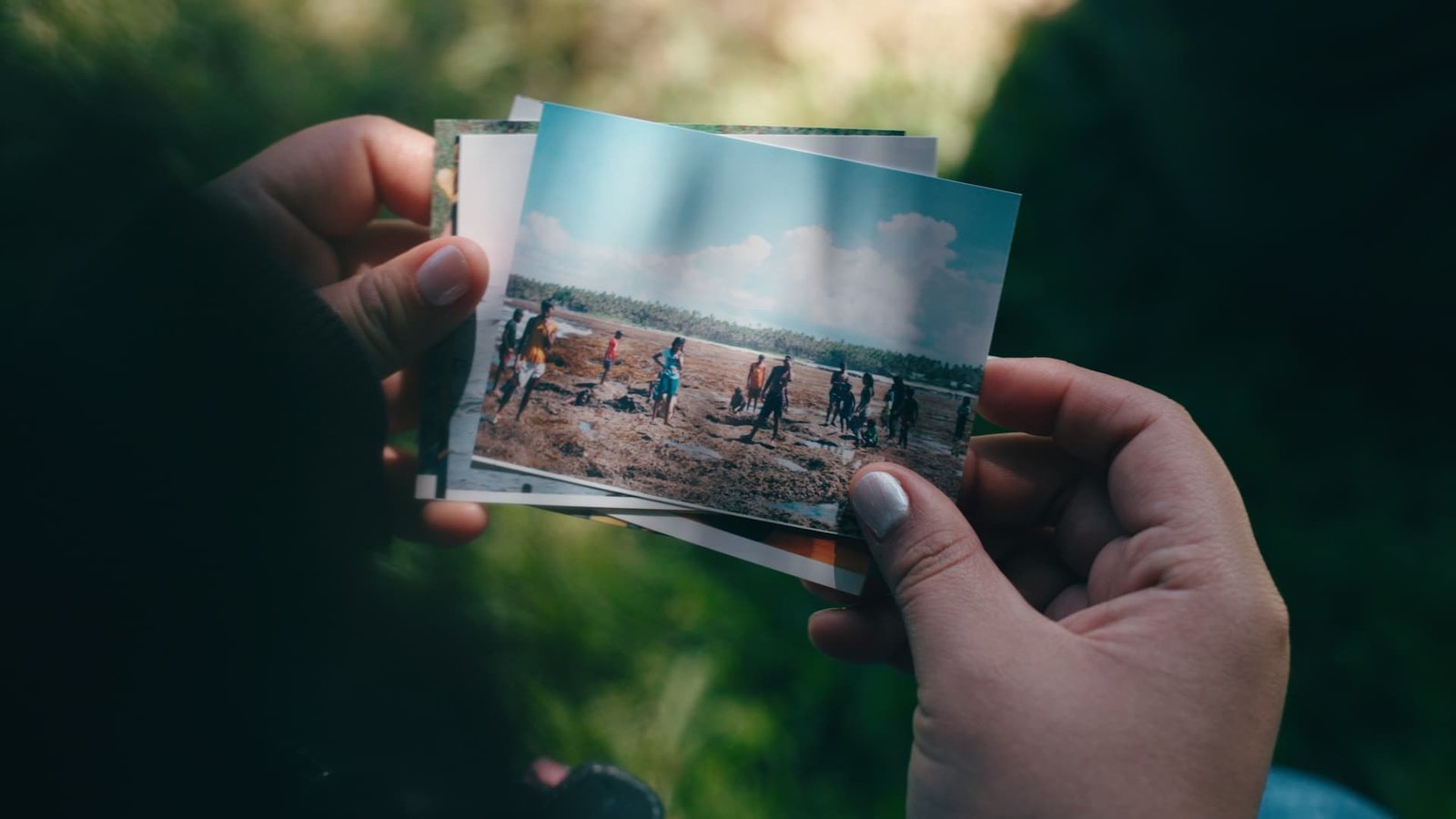
In their hands, the images became something else. Not just photographs from past journeys, but fragments of a way of seeing moments that carried questions, memories, and the quiet invitation to look a little closer.
They asked questions.
About time.
About process.
About how long things really take.
About lenses.
About why I prefer fixed lenses, because they force you to move, to be present, to engage.
But beyond the technical side, there was something else.
Something more important.
At some point, you feel it.
The shift.
It stops being you talking and becomes something shared.
What was supposed to be 45 minutes became an hour and a half.
No one rushed it.
No one looked at the time.
And that says everything.
They recorded the whole conversation.
Put a microphone on me.
A camera.
They wanted to keep it.
Afterwards, they came closer.
We kept talking.
One of them told me that while I was speaking, he felt like speaking Spanish.
Small details.
But they stay.
At the end, I gave them something simple.
Printed frames from the film.
A small piece of the story they could take with them.
And I realized something.
Festivals are full of moments that look important.
Premieres.
Photos.
Recognition.
But this felt different.
More real.
Sitting on the grass with a group of students, sharing how you see the world, listening to how they are starting to see it, That might be the most meaningful part of all.
Because in the end, it’s not about the film.
It’s about what you leave behind when the conversation is over.