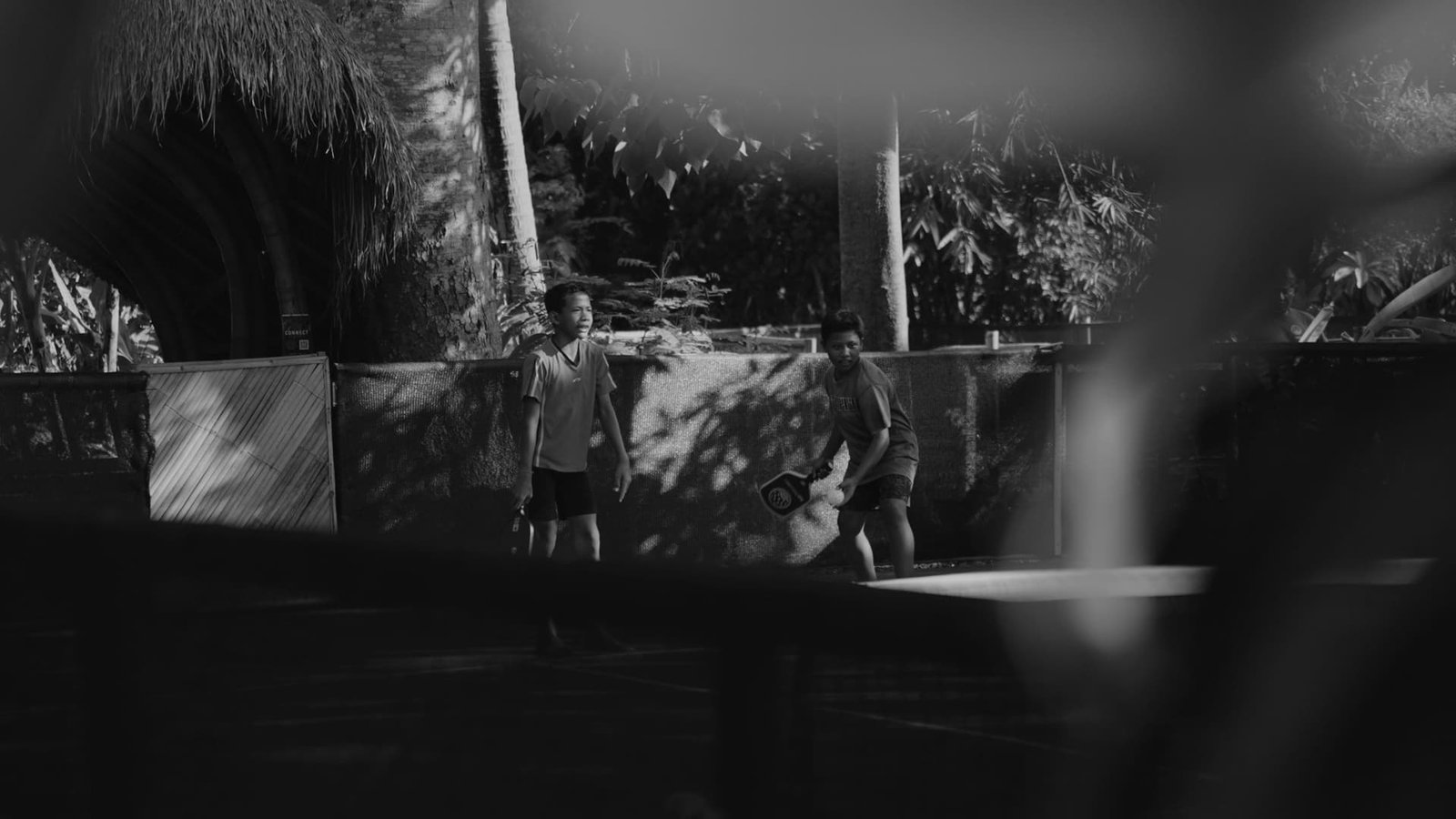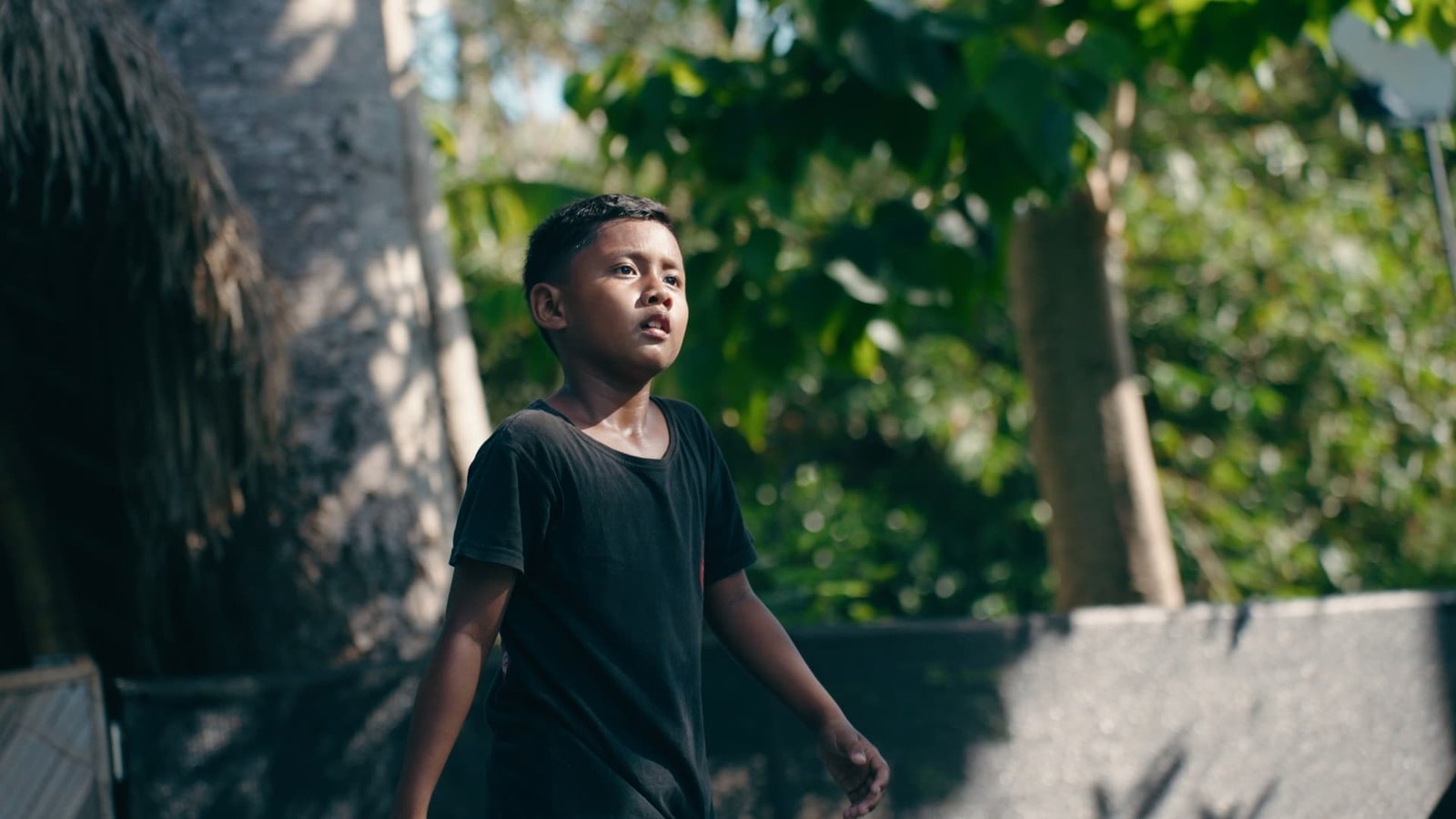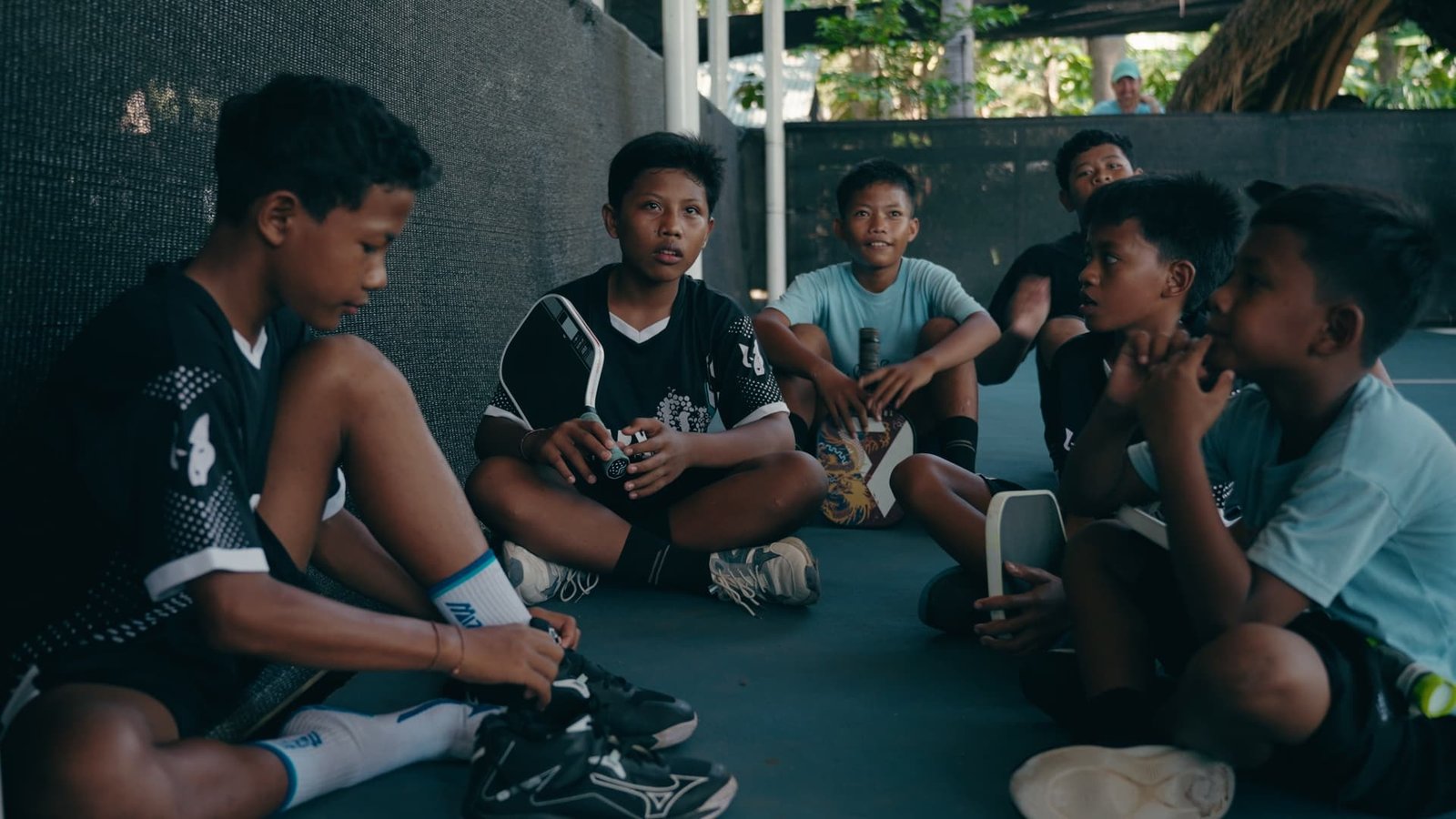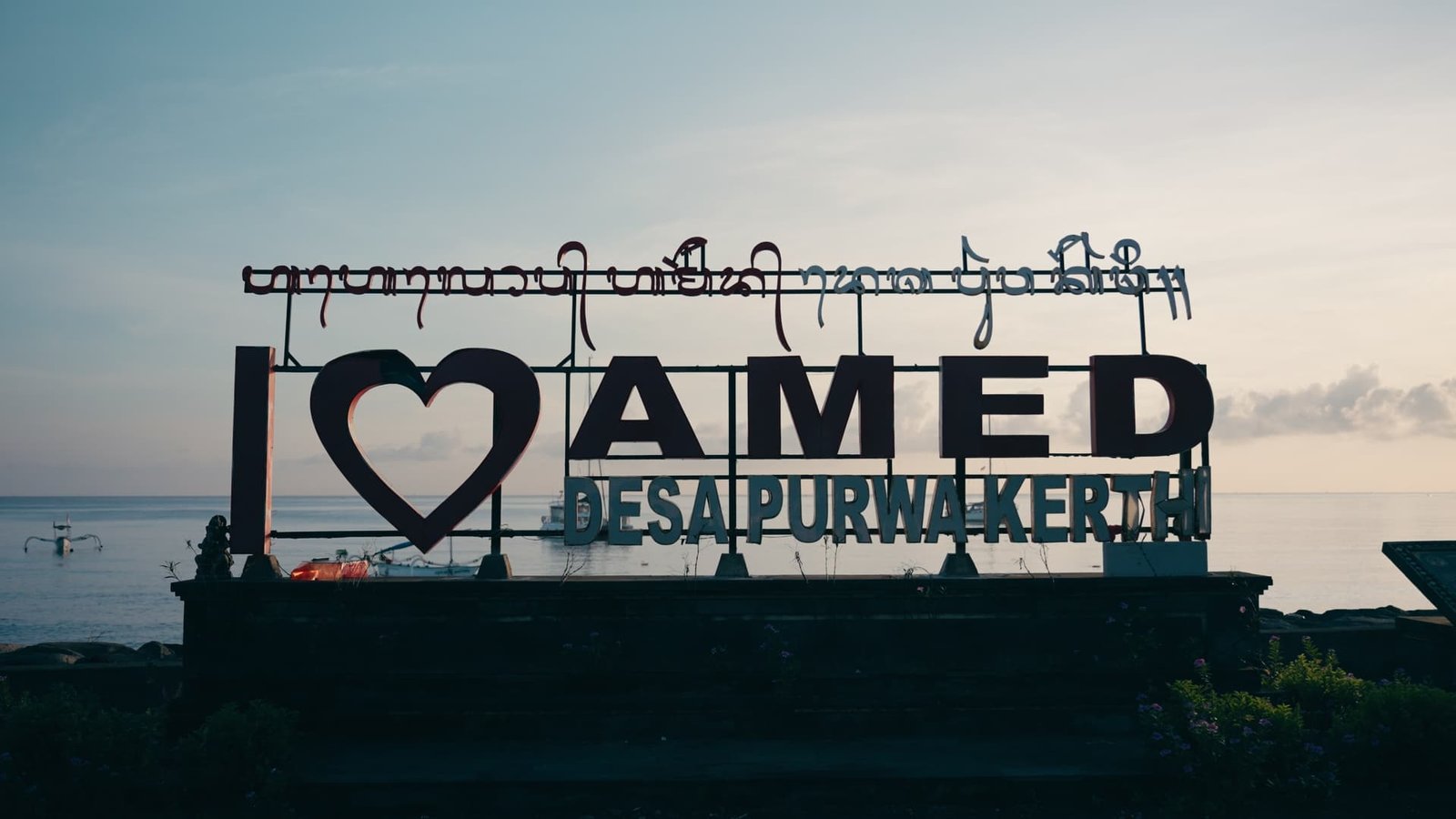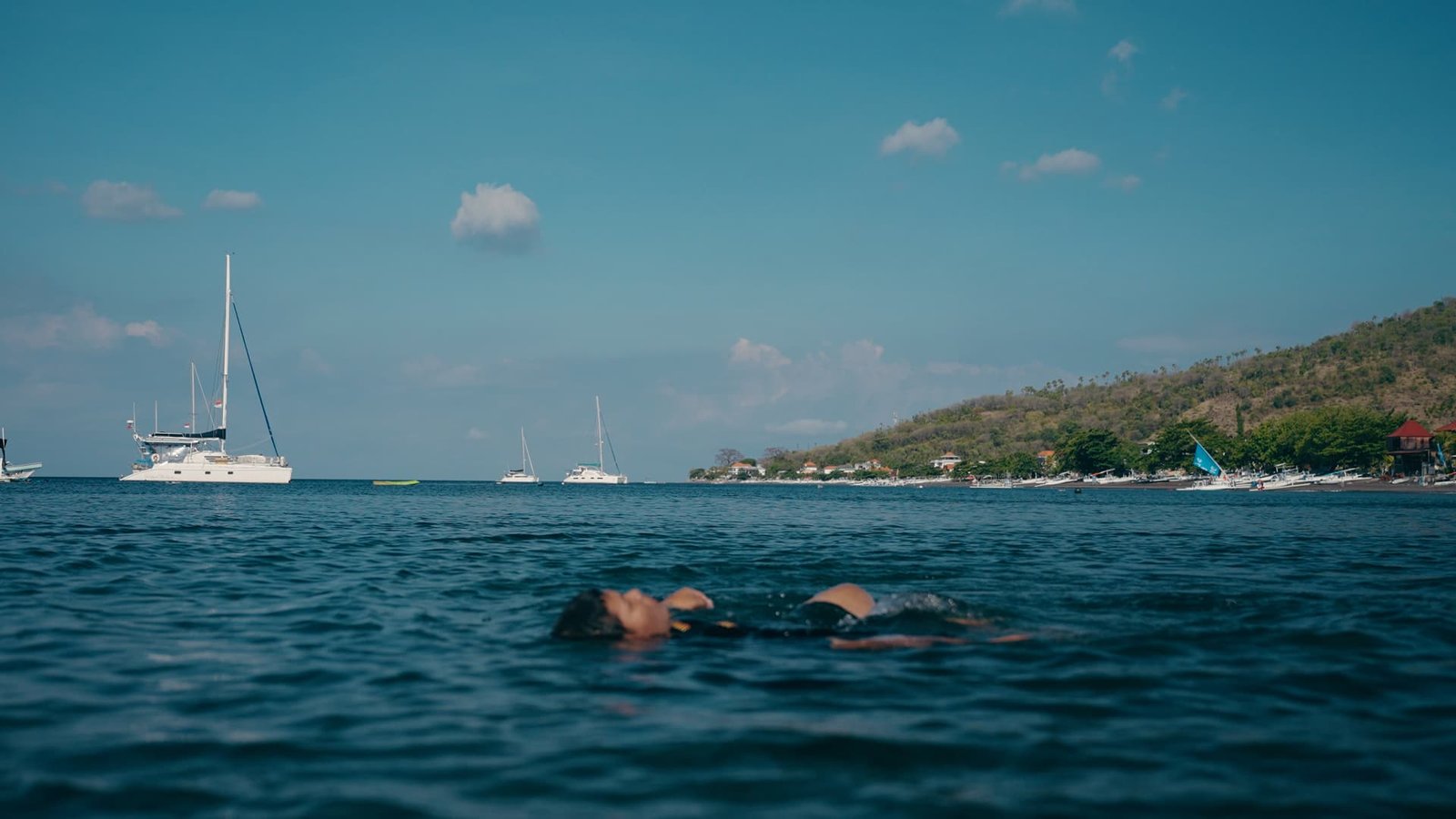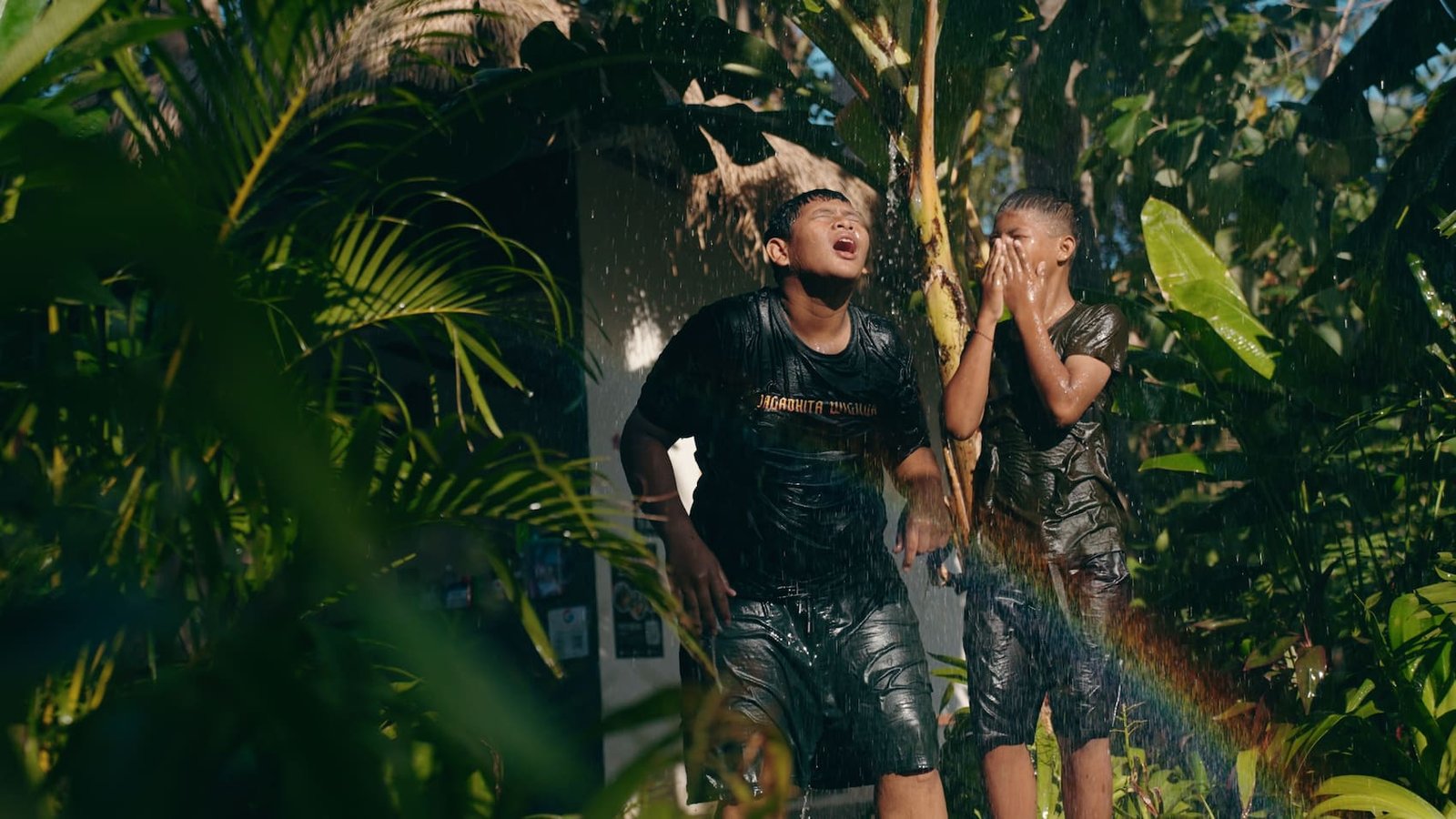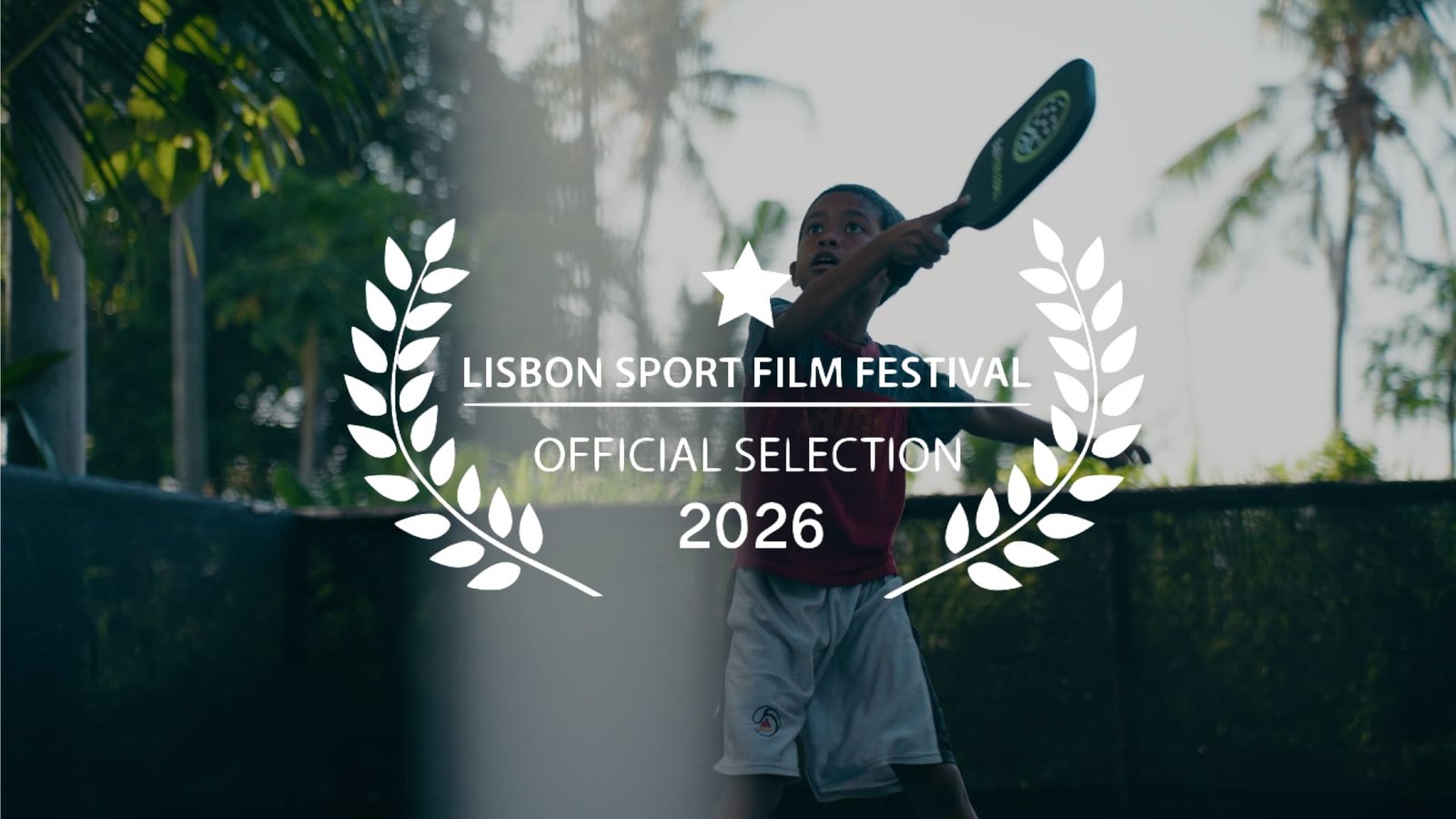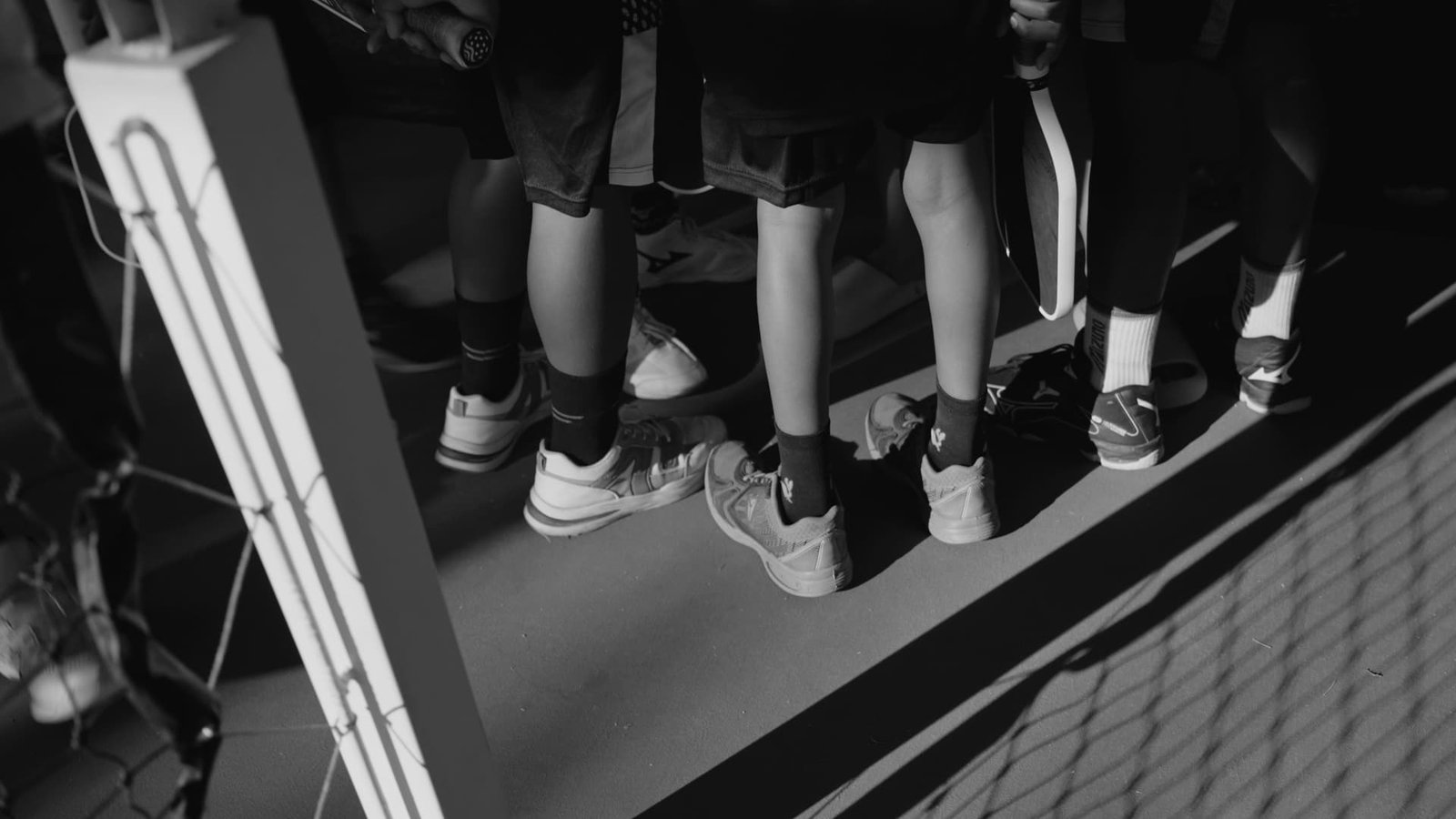
One of the strange things about shooting a poetic documentary like this is that you don’t always understand what’s being said around you.
Most of the conversations were happening in Bahasa Indonesia. And if you want to stay truly observational, that can be frustrating. You feel limited.
You know there’s something happening, something meaningful in those conversations, but you can’t fully access it.
Some people later told me they wanted to know what the kids were talking about. And I understand that.
But at the same time, I think I tried to turn that limitation into something intentional.
In many of the documentaries I’ve worked on before, there’s a tendency for people to talk too much.
Words explaining everything.
Over-explaining, sometimes.
And here, I wanted the opposite.
I wanted the images to speak.
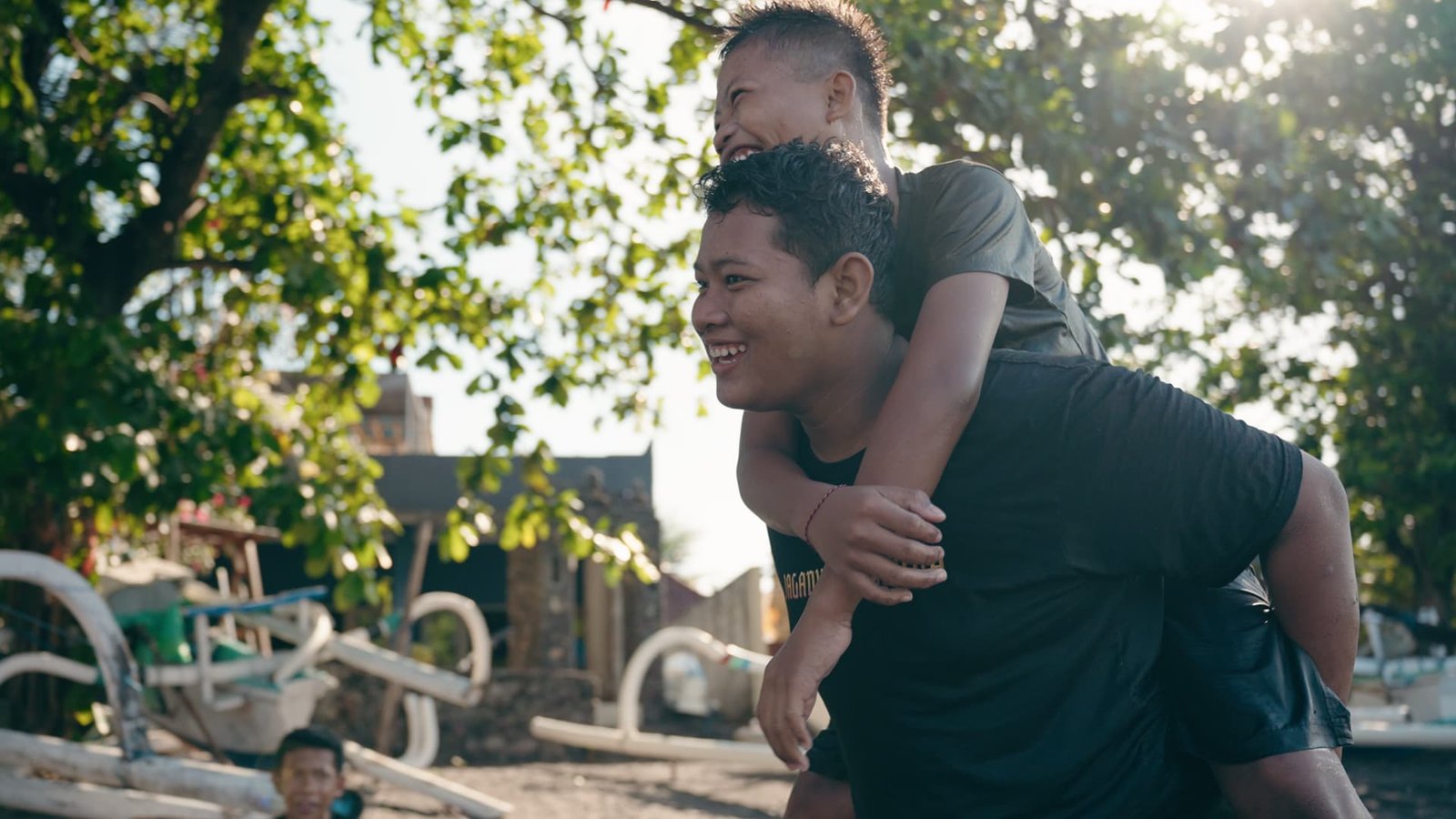
To trust that what you see: the gestures, the energy, the way they look at each other, already says enough.
So instead of translating every conversation, I leaned into silence.
Into observation.
Into those small moments that don’t need subtitles to be understood.
Of course, I wasn’t completely disconnected. People at the club helped me translate when it mattered, especially when the kids shared more personal reflections.
And with the adults, I mostly communicated in English.
But with the kids, it was different. It was gestures, smiles, eye contact, playing together.
That was the language.
I also had a small advantage: from my previous travels in Indonesia, I still remembered some basic Bahasa Indonesia. Not much, but enough to catch fragments, to feel closer to what was happening.
Sometimes I understood more than I expected.
Other times, I just had to trust what I was seeing.
And maybe that’s the point.
Not everything needs to be understood through words.
Some things are clearer when you just watch.