Walking into the theater felt like stepping back in time.
Not in an obvious way, but in small details.
The patterned carpet.
The scale of the space.
The quiet presence of people who care about cinema.
It was a small theater.
Two rooms.
Morning light outside.
San Francisco felt suspended somewhere between decades.
Like a place where going to the movies still meant something.
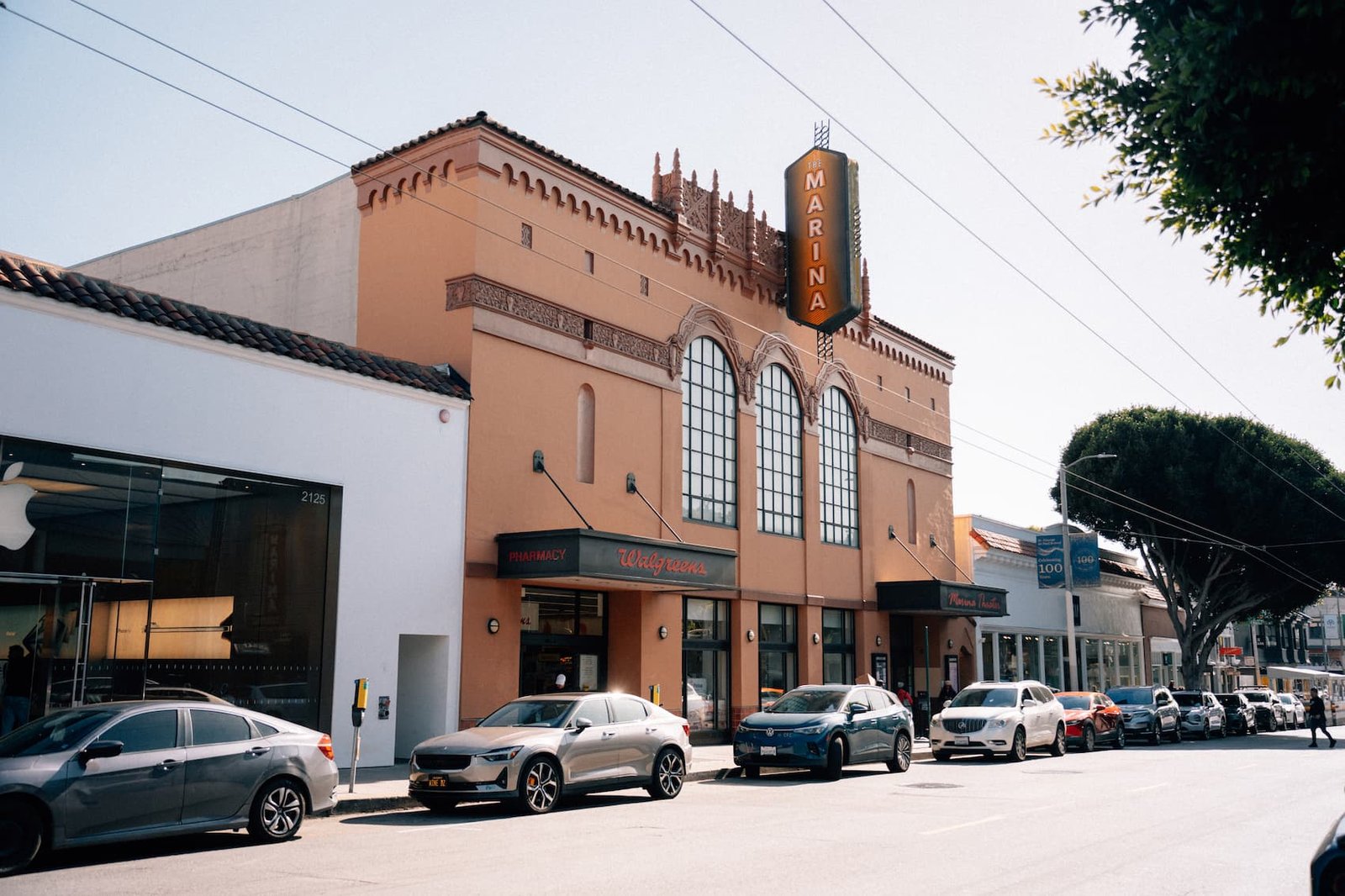
The Marina Theater carried that distinct character of the neighborhood, timeless, almost untouched. Walking towards it felt like stepping into another era, where going to the cinema still held a certain ritual, a certain weight.
I arrived early.
They guided me to the row reserved for filmmakers.
I greeted the festival team people who had been part of the process from a distance until now.
And then the room slowly filled.
Other filmmakers.
Small teams.
Different stories.
Three films from the U.S.
One from the UK.
All of them strong.
Sitting there, seeing my film among them, that alone already felt like something.
Then the audience came in.
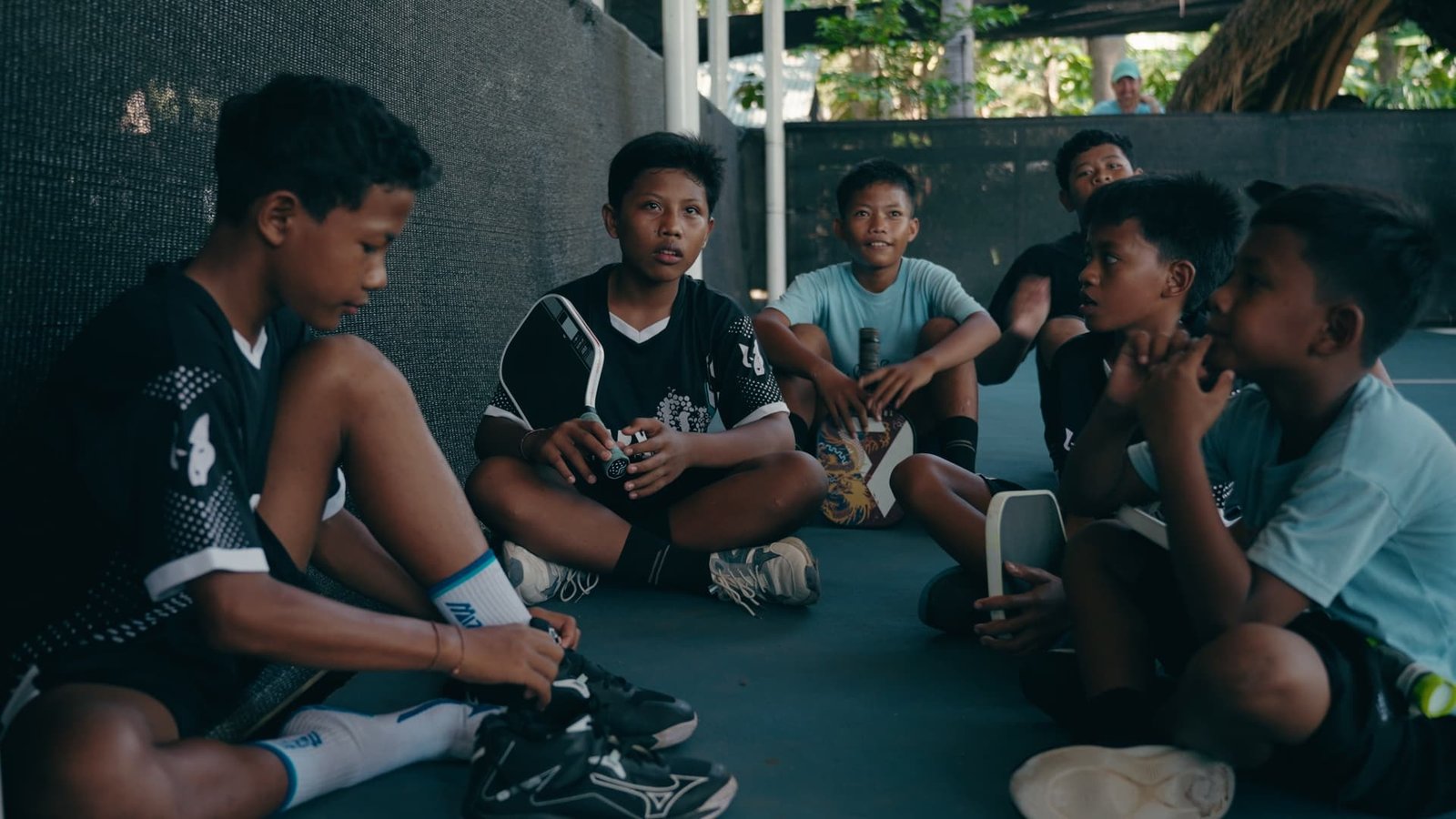
Groups of students.
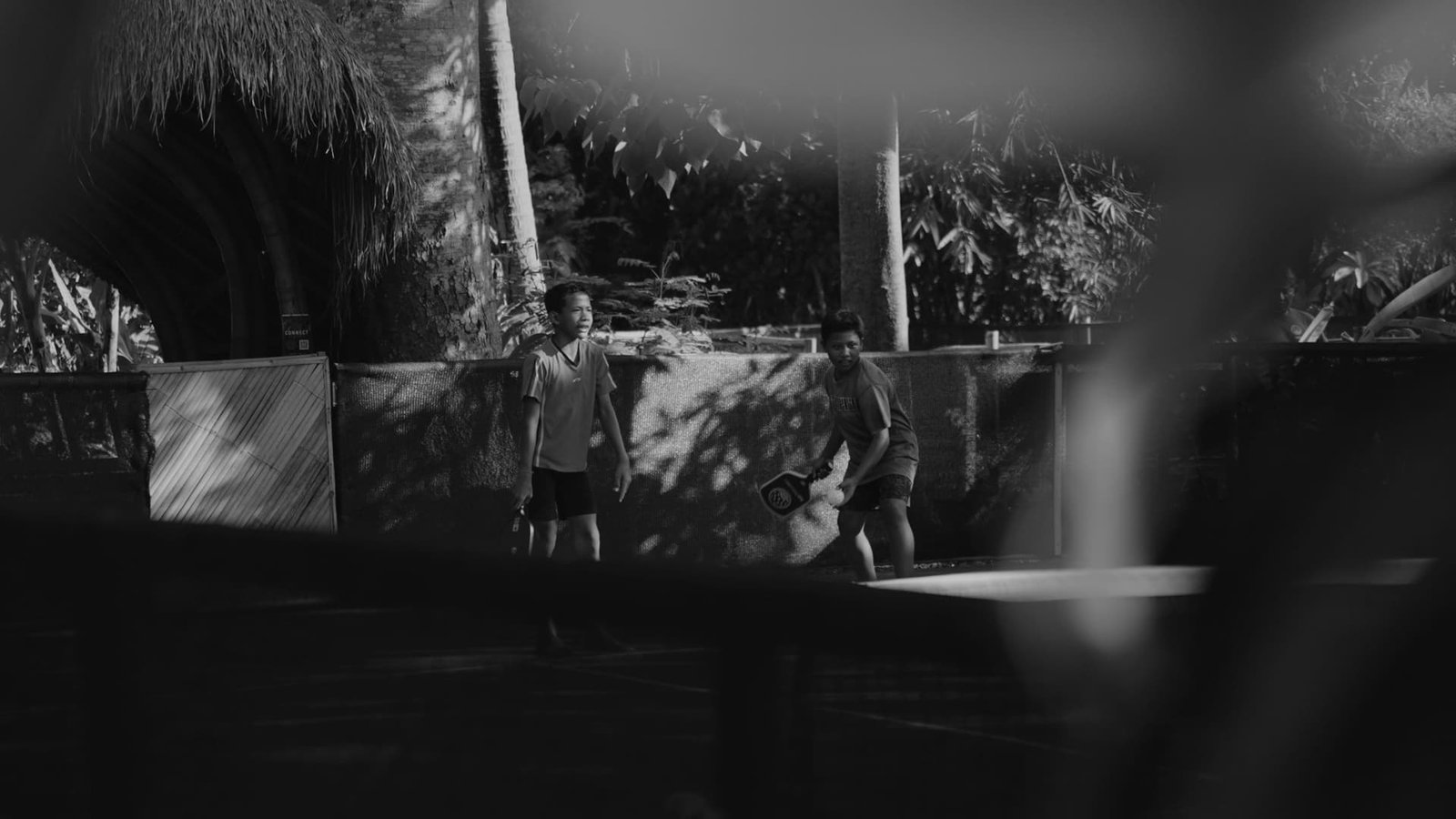
Some of them carrying badminton rackets.
Others arriving in those iconic yellow school buses.
They filled the front rows.
And what struck me the most wasn’t the energy.
It was the silence.
Respect.
Total attention.
No distractions.
No noise.
Just presence.
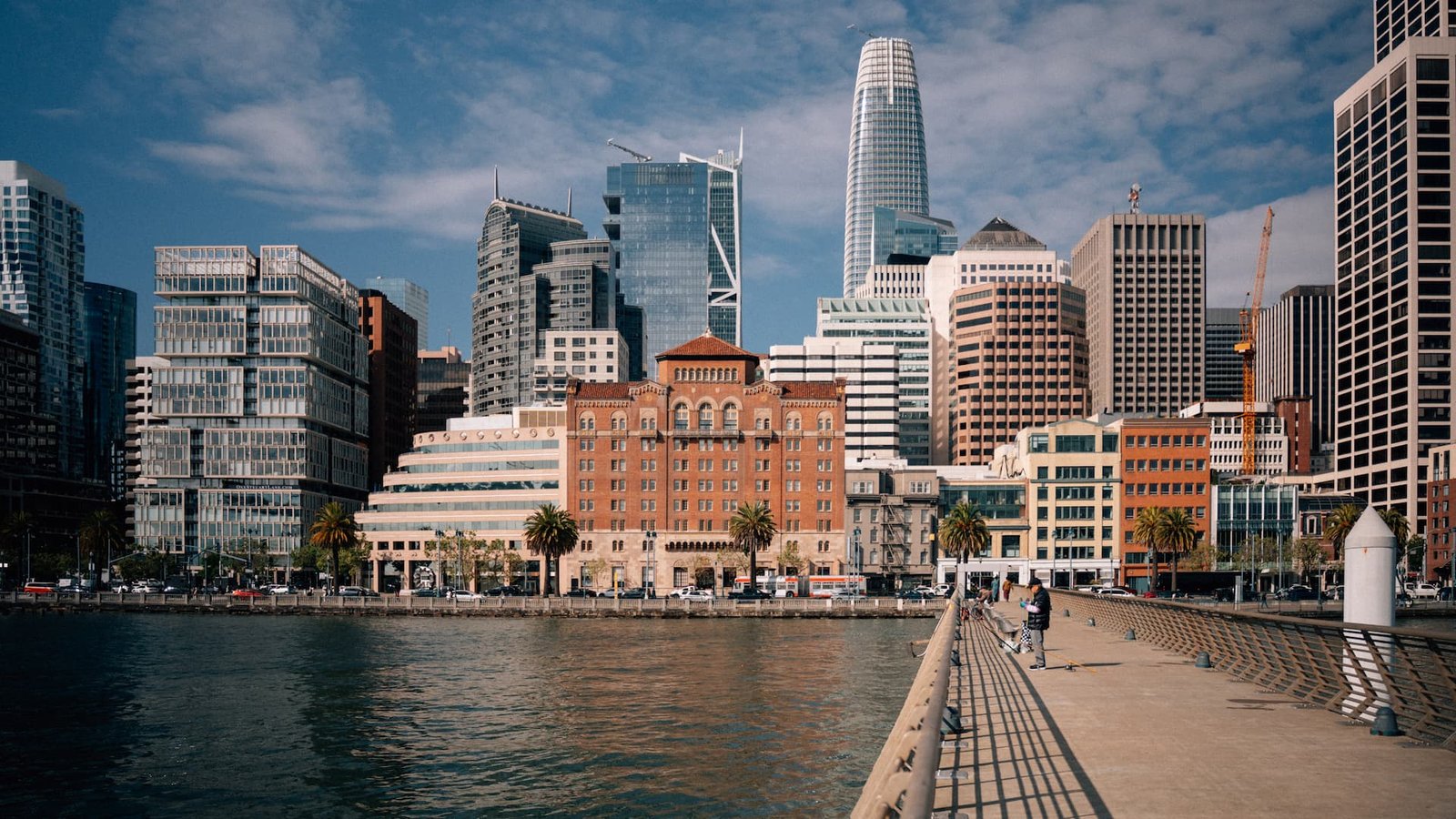
Every morning started here, by the water. A coffee in hand, the cold air from the bay, and a moment to slow down before the day began.
When the film started, something familiar happened.
That instinct to hide.
Even knowing the film works,
there’s always that voice:
What if this doesn’t land?
What if this moment doesn’t connect?
But at the same time, there was something else.
Relief.
Seeing it there.
On a real screen.
Working.
I didn’t watch the audience much.
Not really.
I stayed mostly with the film.
Maybe because I’ve seen it too many times.
That’s the strange part.
At some point, you lose the ability to experience your own film like a first-time viewer.
You know every cut.
Every pause.
Every intention.
And that distance changes things.
You stop feeling it the same way.
What you feel instead is something closer to…
relief.
And a quiet kind of pride.
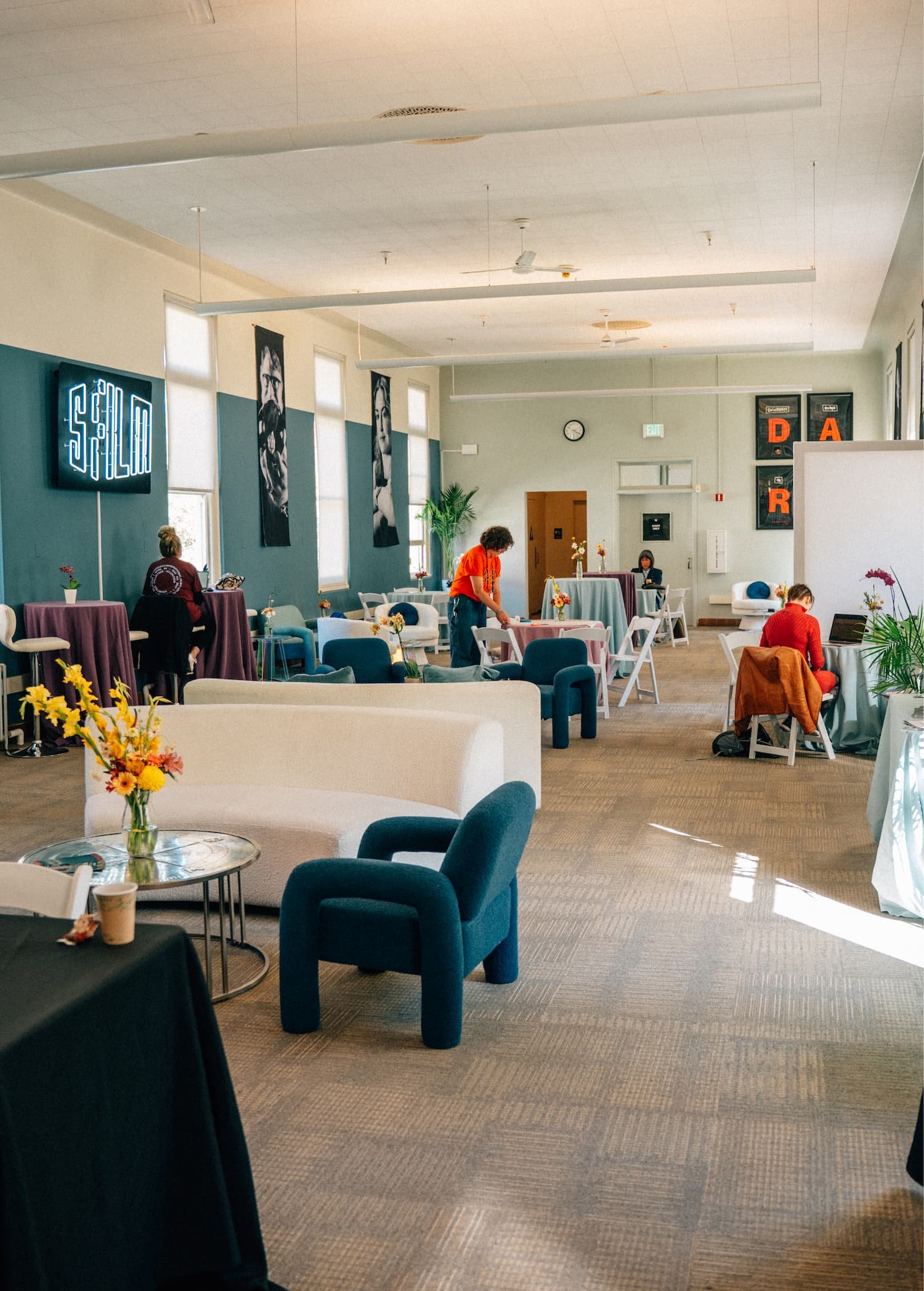
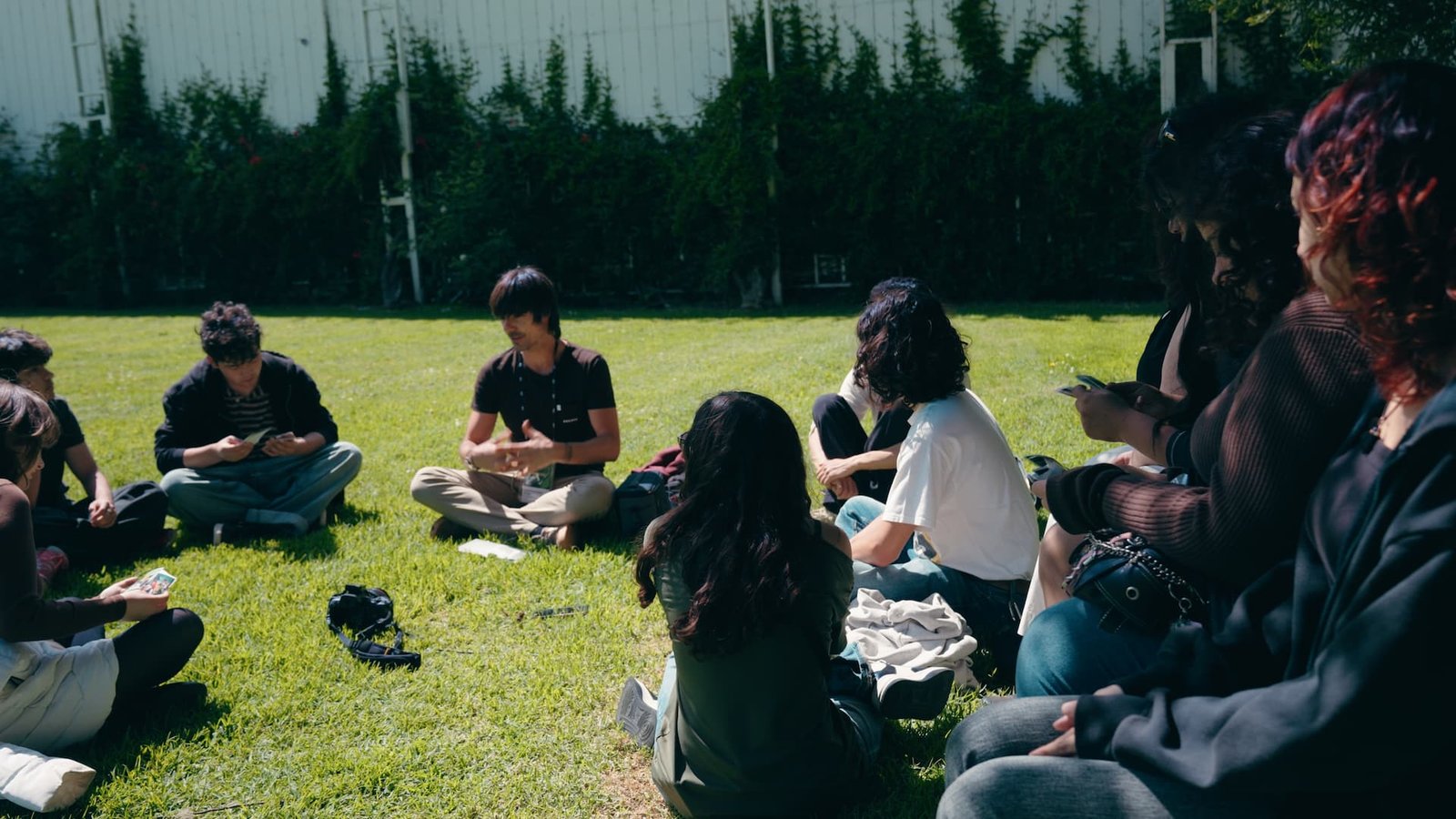
The Filmmaker Lounge became a quiet center of gravity during those days. Between screenings and conversations, it was a place to pause, to cross paths with other filmmakers, and to feel, in a subtle way, that you were part of something bigger than your own film.
The film ended.
Applause.
Strong, warm, real.
And then, immediately, the transition.
From the darkness of the room
to being on stage.
That shift is abrupt.
One moment you’re hidden.
The next, you’re the one holding the film in front of everyone.
Before going up, I told myself something simple:
No one knows you here.
Just be yourself.
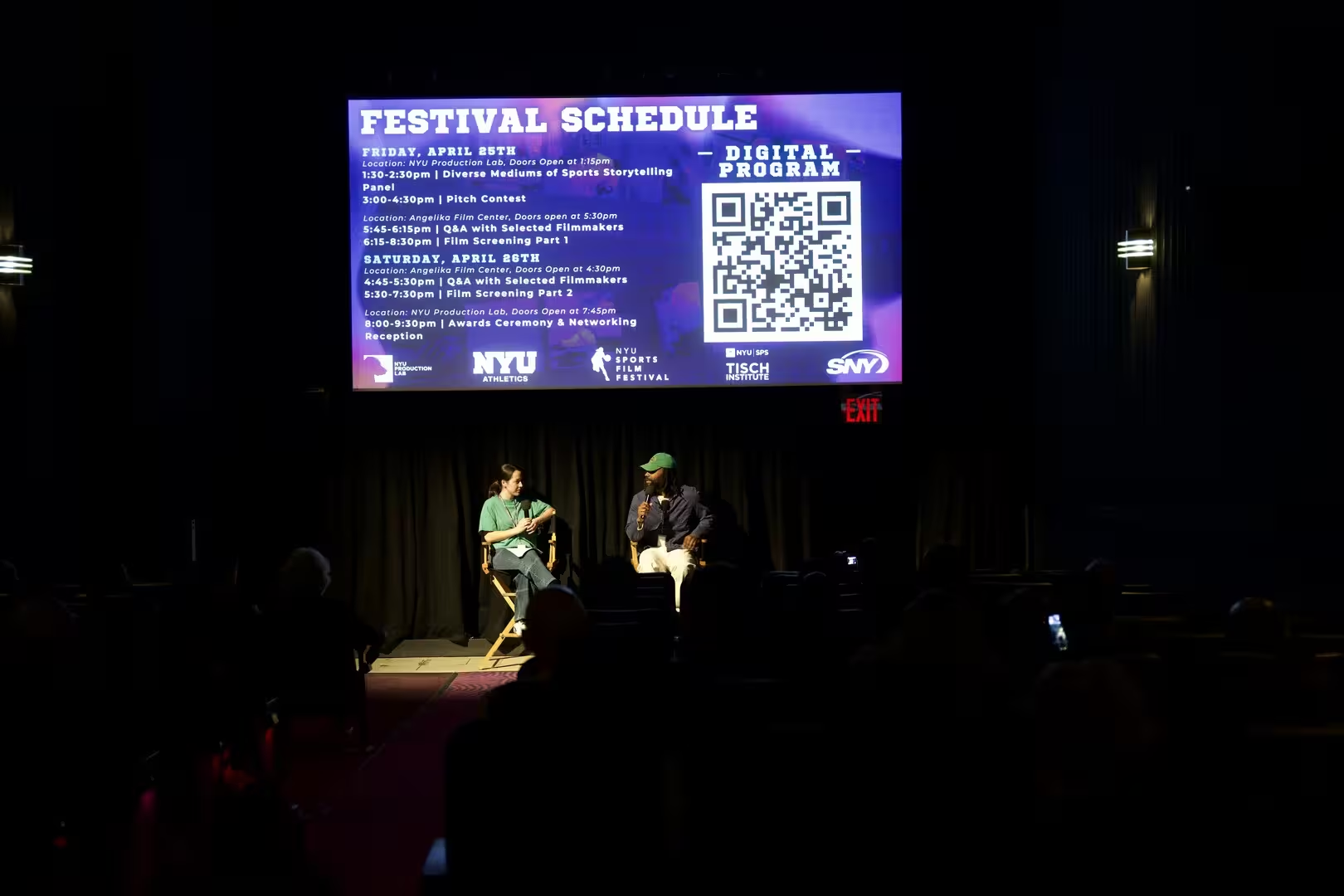
The Q&A became something else.
Not about the film alone but about sharing something with them.
The questions were simple, but honest.
A favorite shot.
My connection to the sport.
How I approached filming.
How I built trust with the community.
I talked about anticipation in sports.
About spending time before filming.
About letting things happen before trying to capture them.
And in that moment, something clicked.
This wasn’t about explaining the film.
It was about leaving something behind.
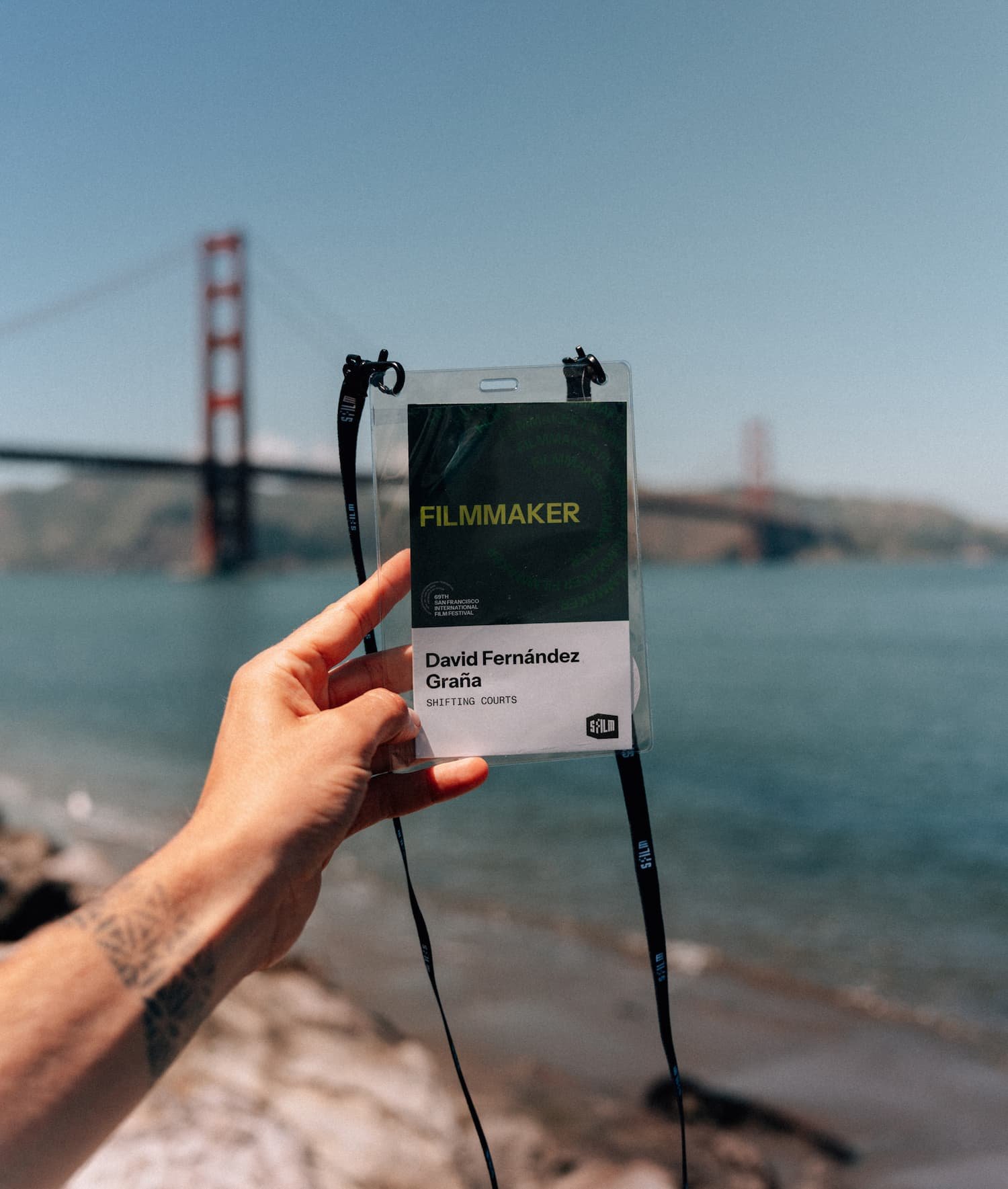
A small badge, a simple gesture but behind it, months of work, doubts, and a film that had somehow made its way here.
After it ended, a few students came up to me.
They told me they liked it.
They spoke about the visuals.
About the feeling.
Even about my accent.
Small things.
But real.
Because when a film meets the world,
what matters isn’t that everyone understands it the same way.
What matters is that it doesn’t pass unnoticed.
If it creates a reaction, a thought, a conversation. Then it’s alive.
And maybe that’s the first time you truly see it: not as something you made, but as something that now belongs to everyone who experiences it.