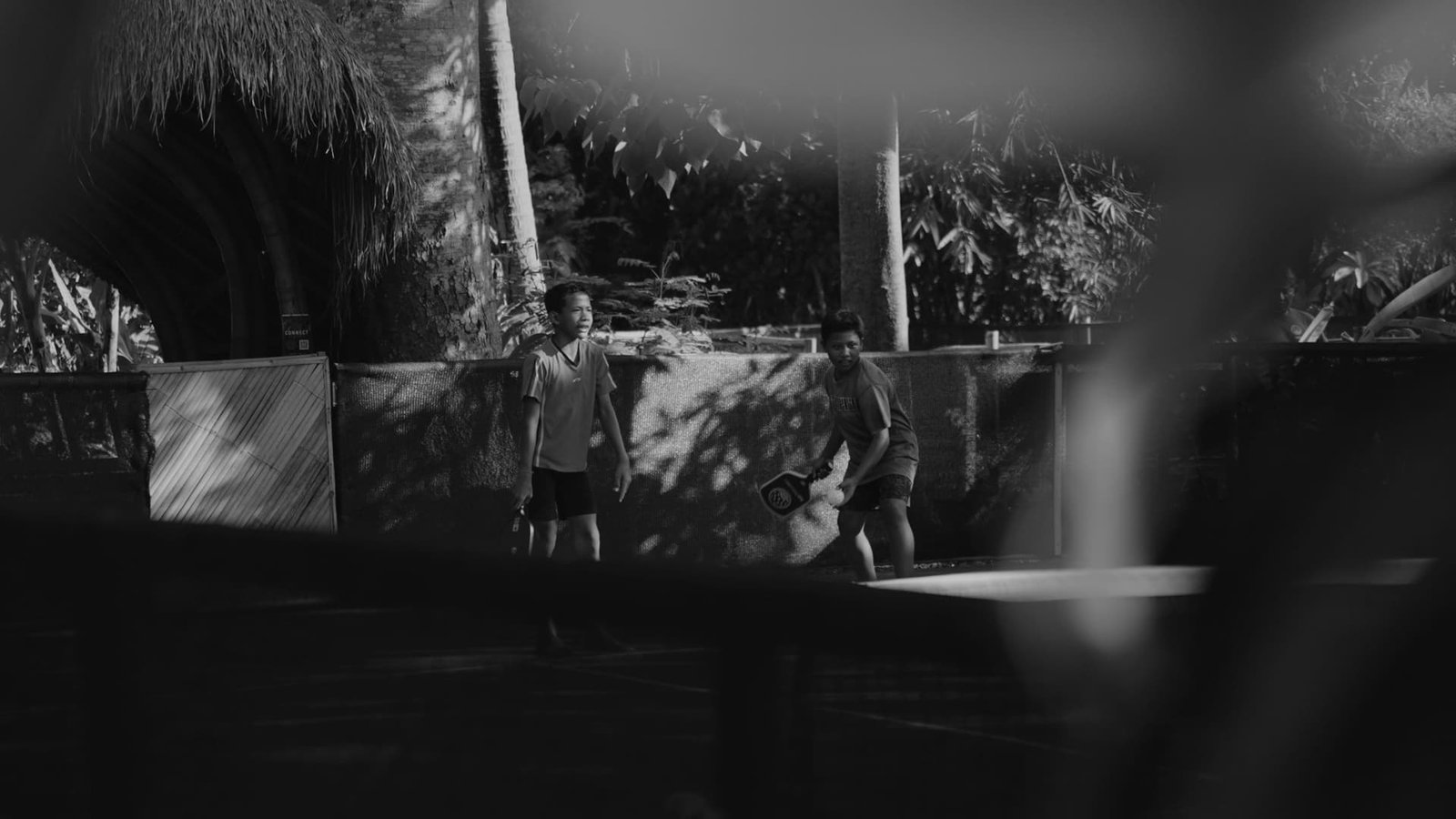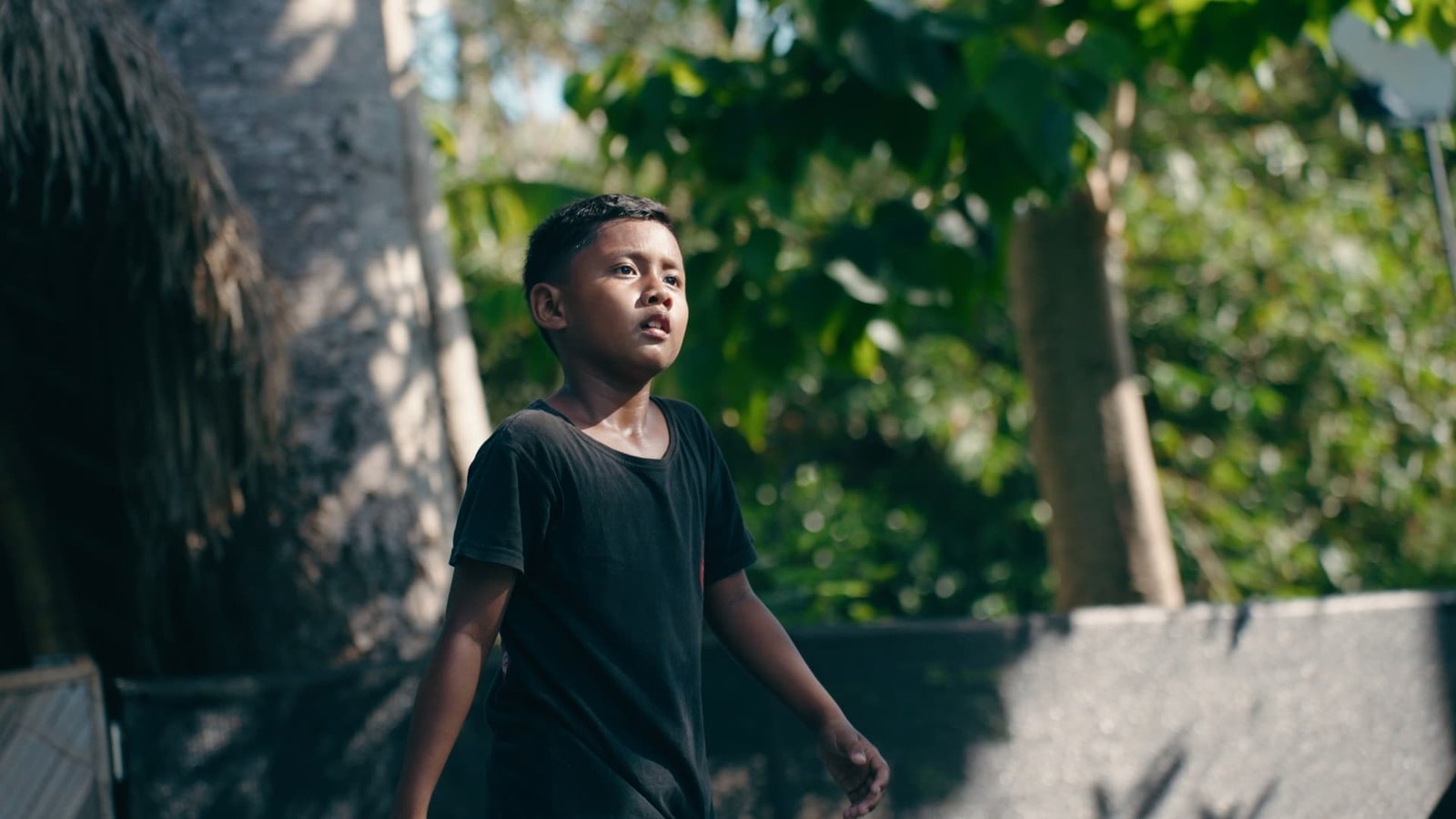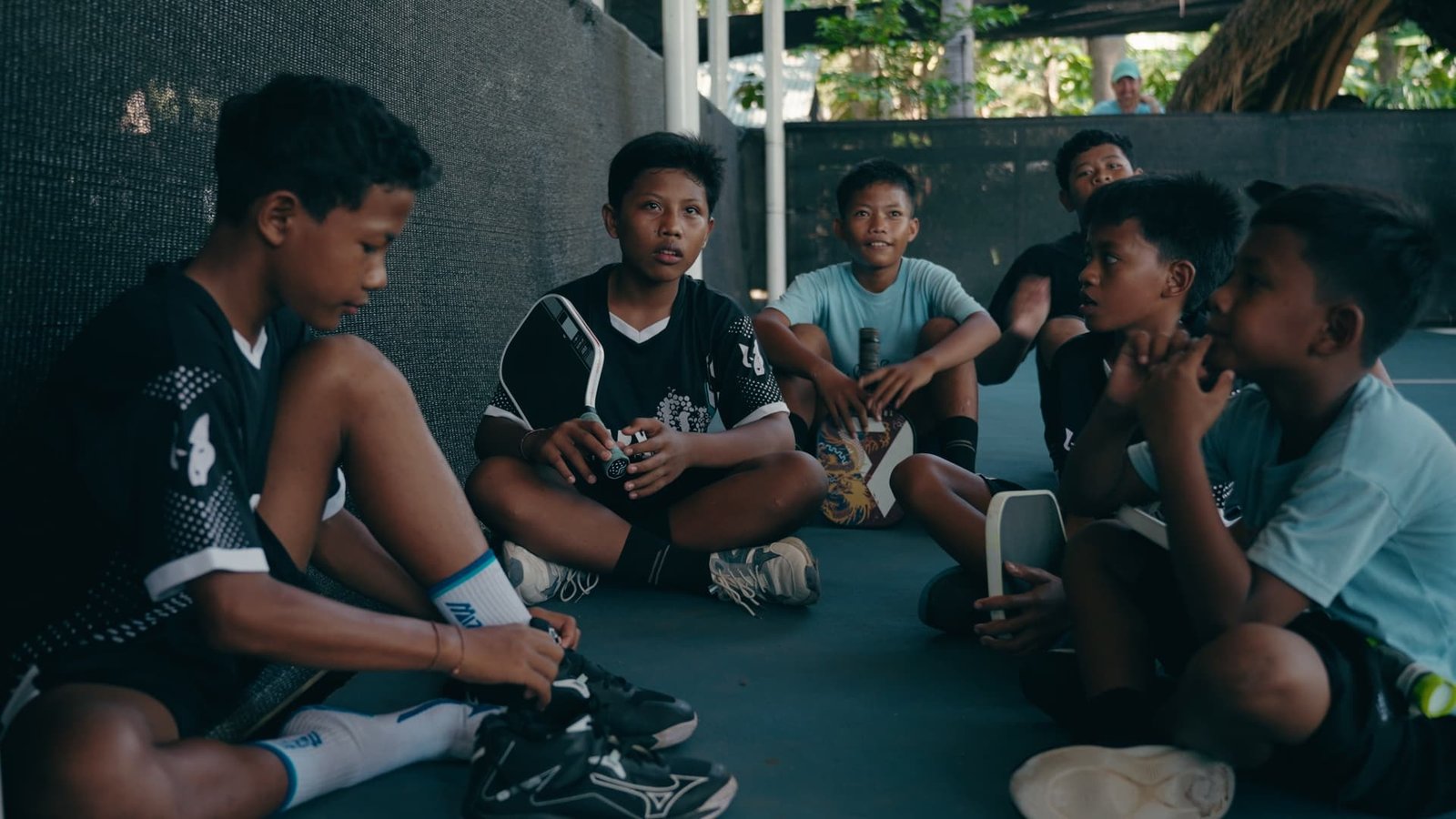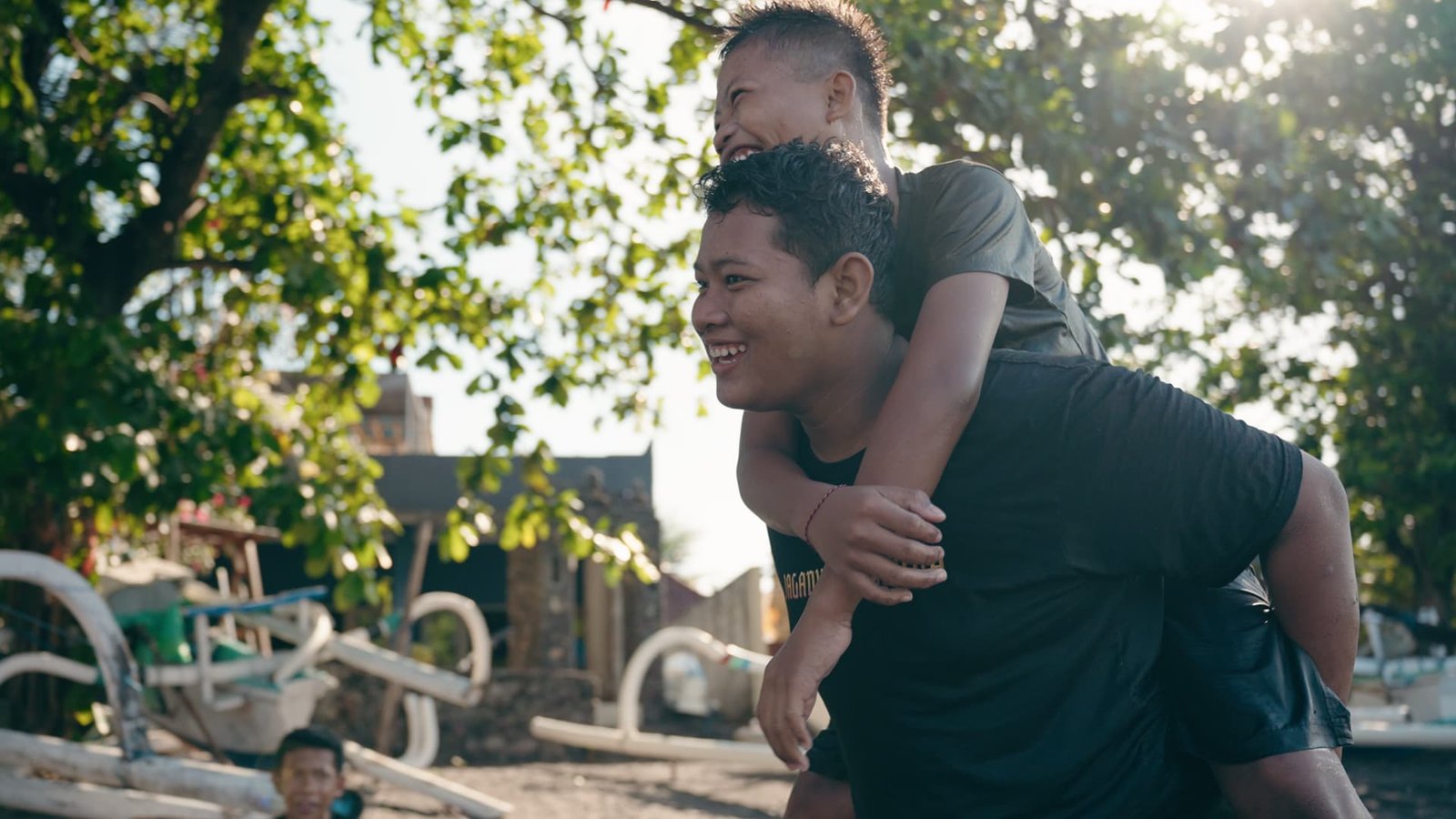
Coming back home with the footage was a strange feeling.
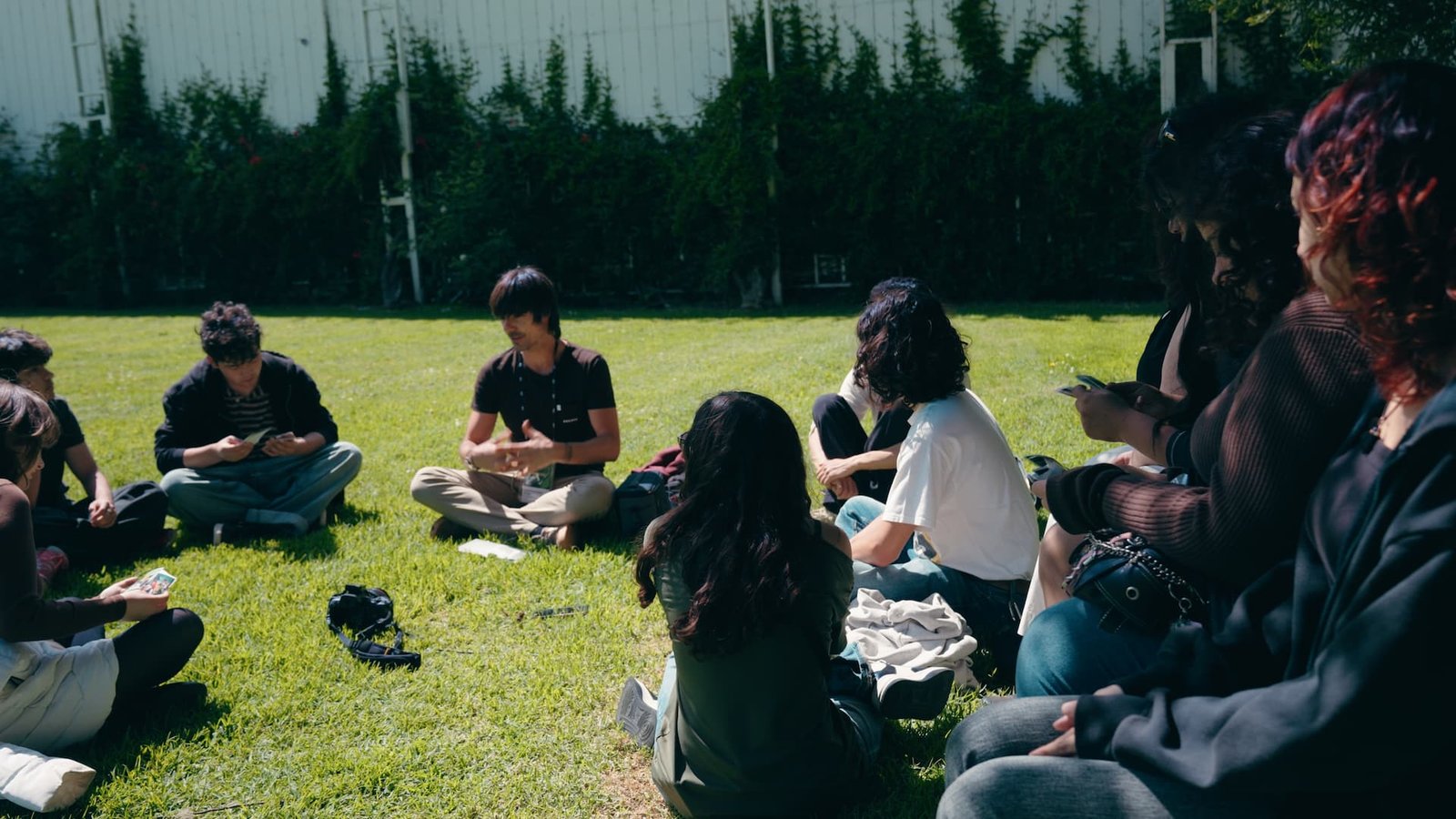
I had beautiful material. Really special moments. Images that worked on their own, and reflections from the kids that felt honest and powerful.
But that wasn’t enough. I needed to find the film inside all of that.
The process became one of reading the footage. Watching, rewatching, connecting images, looking for relationships between them.
Trying to build visual metaphors. Finding contrasts. Letting one image speak to another, and slowly understanding what the story wanted to be.
What I was looking for was progression. From discovery… to something deeper.
From the game as something new and exciting, to the game as a way of understanding life.
A way of connecting with others.
A way of growing.
A way of moving through the world.
That structure didn’t exist at the beginning. I found it by listening again to the kids’ reflections, by observing what the images were already suggesting.
One of the key decisions was to limit the testimonies as much as possible.
I didn’t want the film to rely on words. I wanted the images to carry the weight.
The kids’ voices are there, but only as small fragments, like anchors, while the visual narrative does most of the work.
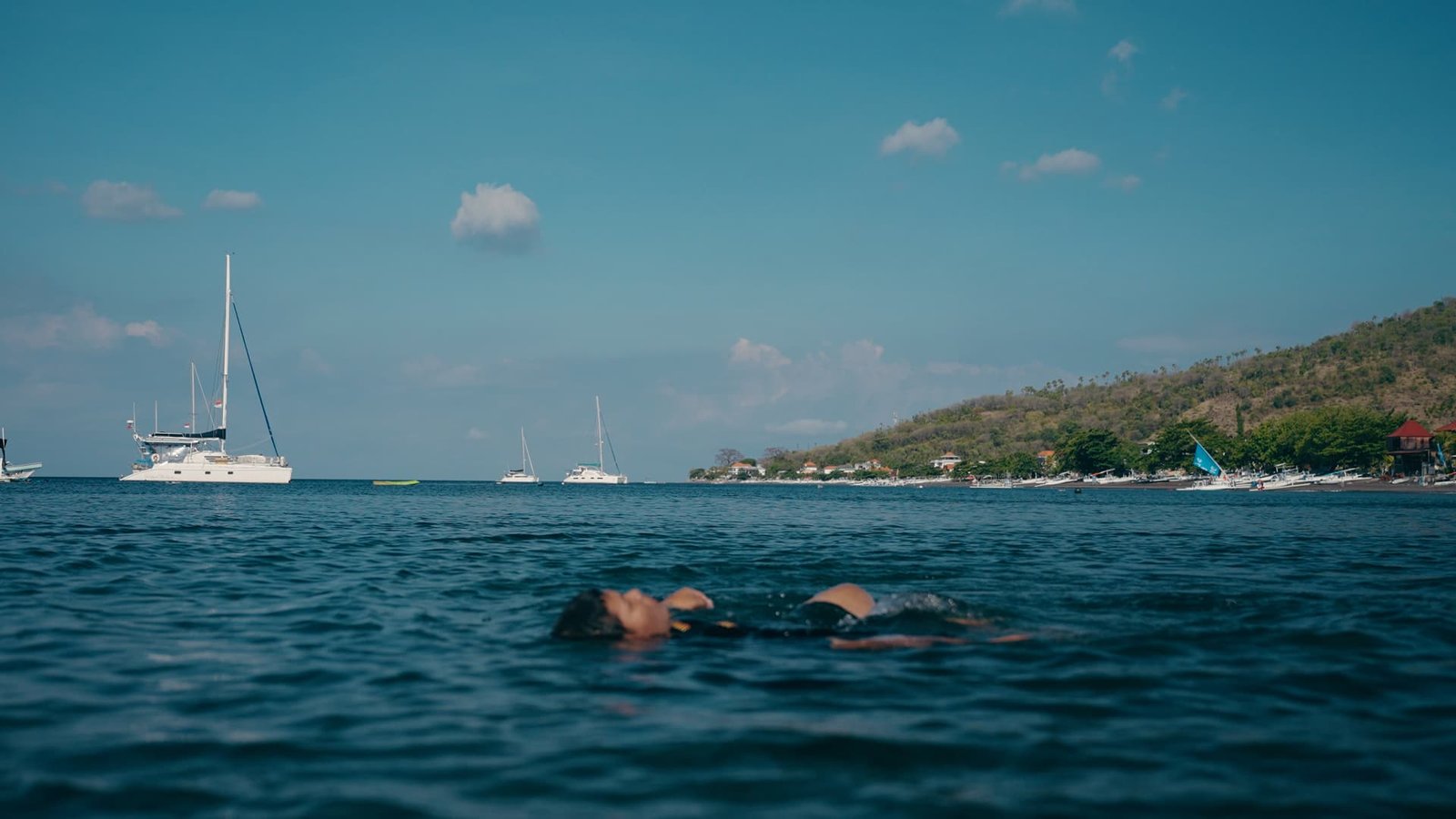
Sound became essential too. I wanted the audience to feel transported to Bali, not just see it.
So I worked carefully on the sound design, building an atmosphere that could hold the images and give them depth. This wasn’t meant to be watched casually, it was meant to be experienced.
The film slowly made itself. Or at least, that’s how it felt.
I kept removing material. A lot of it.
Anything that didn’t serve the story had to go.
It took around two months to reach a version that felt right.
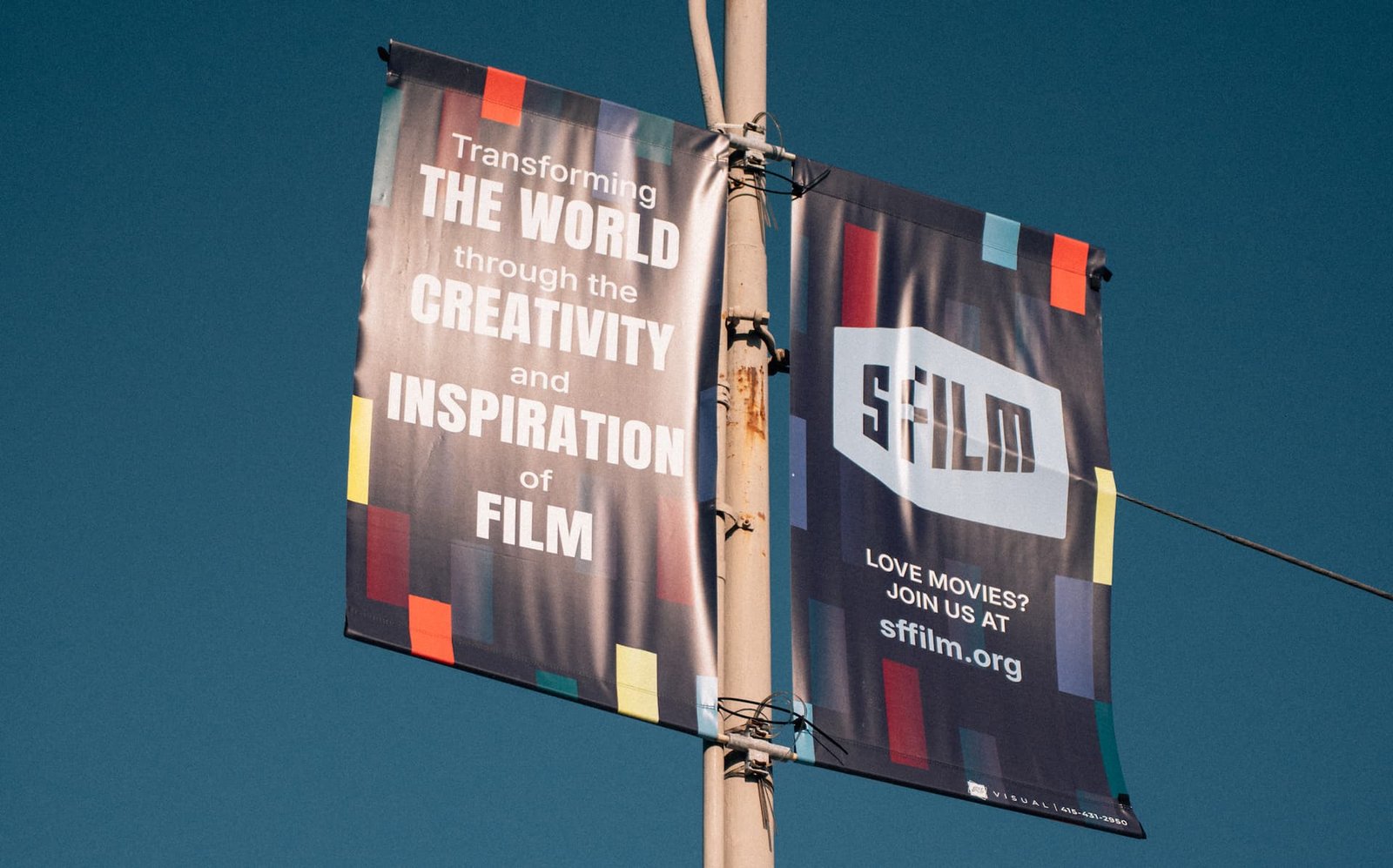
At the same time, I started sending the film to festivals. Mostly through platforms like FilmFreeway and Festhome.
I aimed high at first, top festivals, and got rejected. Again and again.
And the hardest part is that you don’t get feedback. So you start questioning everything.
Is the film not good enough? Am I not good enough? Is this going nowhere?
The festival circuit really tests your belief in the project. Your belief in yourself.
What kept me going was a simple feeling: that the film deserved to exist. That it had something honest inside it. That was enough to keep submitting, to keep trying.
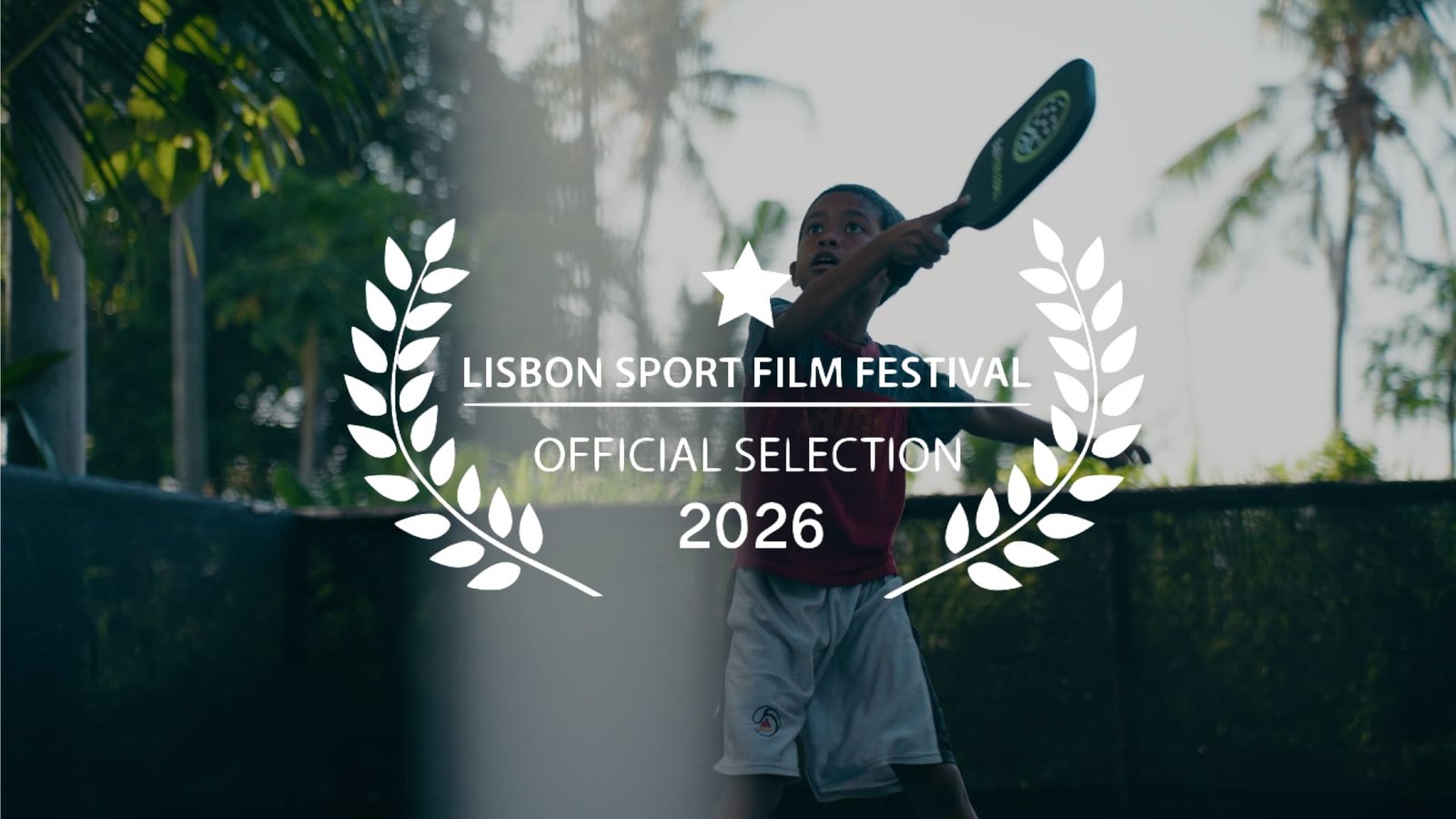
Eventually, things started to move. The film found its way into stronger festivals. It started to have a life.
And that was important to me, because I never saw this as a YouTube piece.
I didn’t want it to live among endless content, half-watched and quickly forgotten.
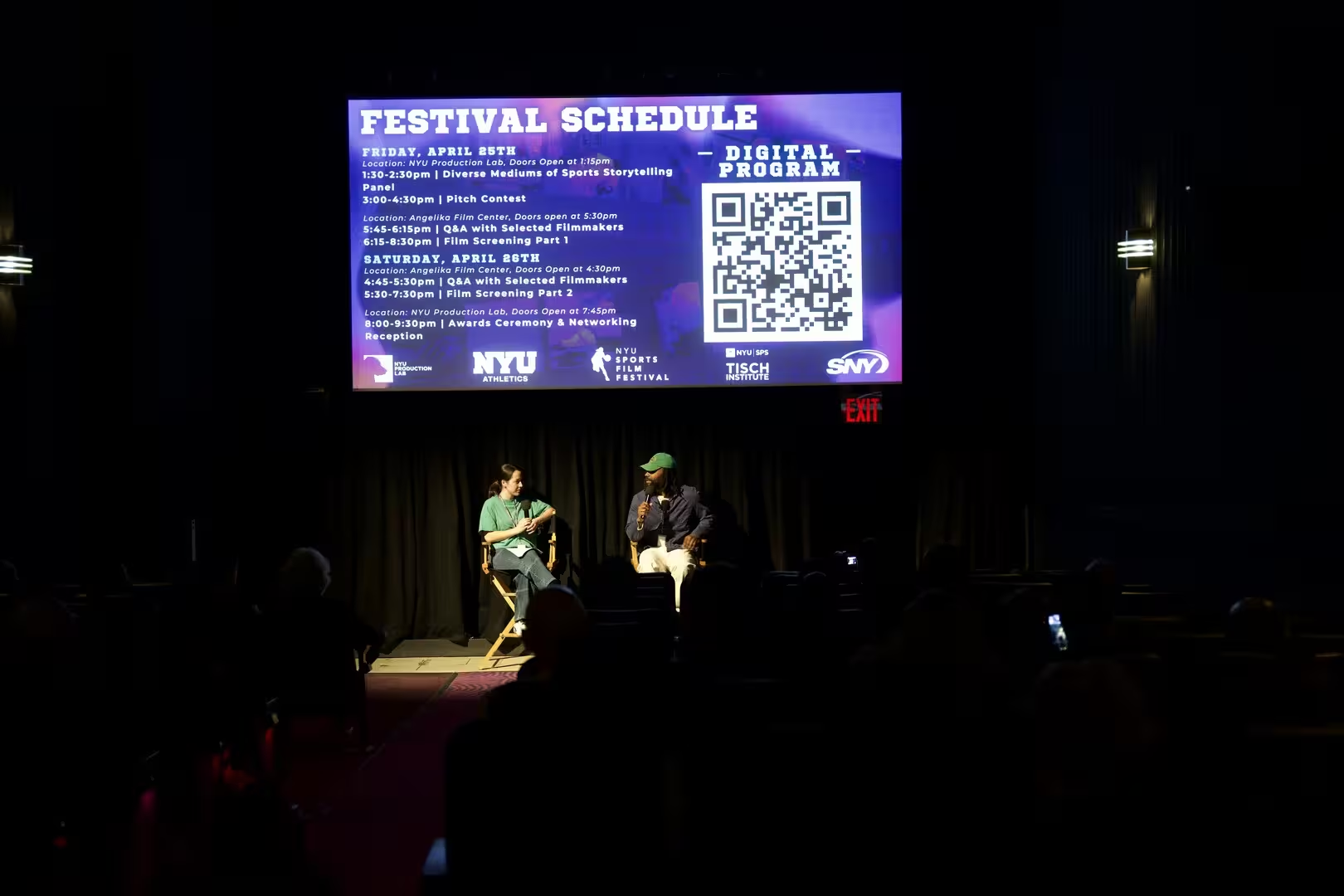
I wanted it to be experienced properly, in a cinema, with sound, with presence.
That’s why I designed it for that space. With sound design in mind, even thinking in formats like 5.1.
At the same time, I also wanted it to be accessible. So I created closed captions and audio description, thinking that the film could also live in educational spaces. Not just as a film, but as something that can be used, shared, and experienced in different ways.
Because in the end, this project was never just about making something.
It was about giving it a place to exist.